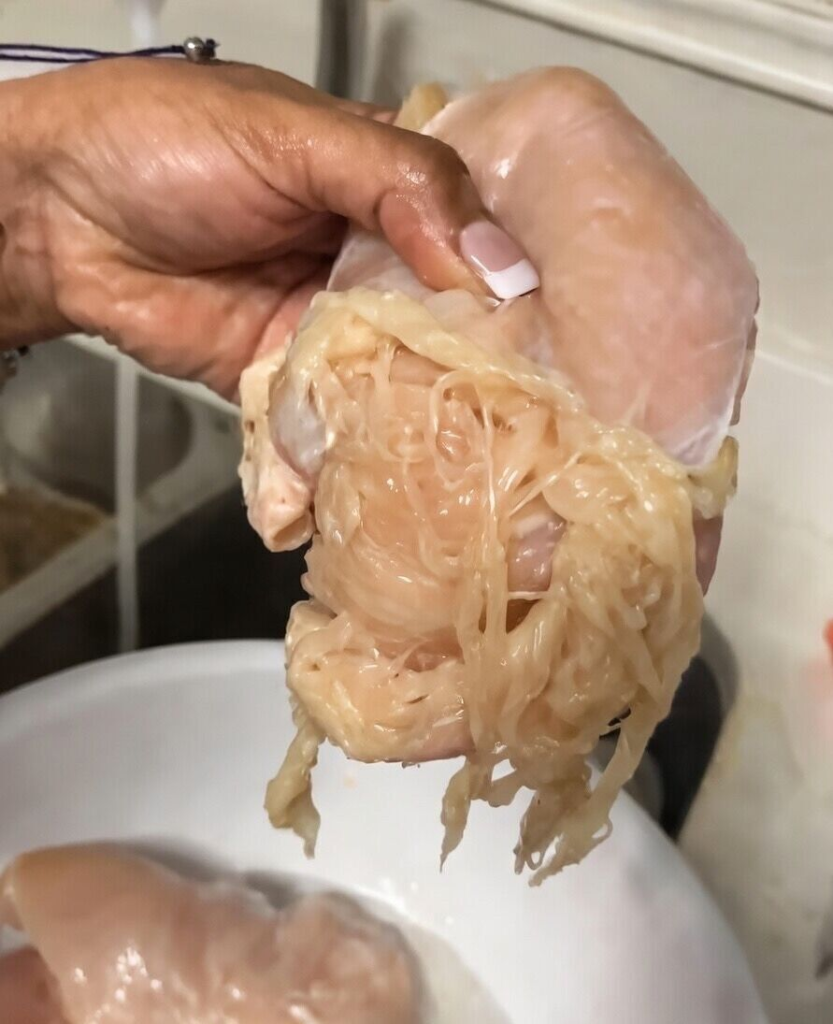
It’s easy to trust what you see in the supermarket. Clean packaging, bright labels, and reassuring words like “fresh,” “natural,” or “farm-raised” create a sense of comfort that what you’re buying is wholesome and responsibly produced. But the reality behind much of the chicken sold today is far more complex. Modern poultry production is largely driven by efficiency, scale, and cost, and while this system has made chicken widely available and affordable, it has also raised important questions about animal welfare, food quality, and transparency. Understanding how this system works doesn’t mean you need to panic—it simply means you can make more informed choices.
Most chicken on the market comes from large-scale production systems designed to meet high demand. These farms often house thousands of birds in controlled indoor environments where temperature, lighting, and feeding are optimized for growth. Over the decades, selective breeding has made chickens grow much faster than they once did, reaching market size in a fraction of the time compared to earlier generations. While this improves efficiency, it also means the birds develop differently, sometimes putting strain on their bodies. These are trade-offs built into a system focused on producing large quantities of affordable meat for millions of people.
Another important aspect is how chickens are fed and managed. In industrial systems, birds are typically given grain-based diets designed to support rapid growth. In many countries, regulations limit or prohibit the use of growth hormones in poultry, but other methods—like genetics and nutrition—achieve similar results. Antibiotics may be used under veterinary supervision, particularly to prevent disease in dense environments, though practices vary widely by region and producer. Concerns about antibiotic resistance have led to increasing pressure on producers to reduce routine use, and many brands now advertise “antibiotic-free” or “raised without antibiotics” products as a response.
The conditions in which chickens are raised can vary significantly. Standard systems often prioritize efficiency, meaning birds may have limited space and no outdoor access. On the other hand, alternative systems—such as free-range, pasture-raised, or organic farming—aim to provide more space, natural light, and opportunities for natural behavior. These systems typically produce meat at a higher cost, reflecting the slower growth and lower density of animals. The difference between these approaches highlights why prices vary so much and why labels matter—but also why understanding those labels is important.
Packaging and marketing play a powerful role in shaping perception. Terms like “natural” or “farm fresh” can sound meaningful, but they are often loosely defined and don’t necessarily reflect how animals were raised. More specific certifications—such as “organic” or independently verified animal welfare labels—tend to provide clearer standards, though even these vary by country. This doesn’t mean all supermarket chicken is misleading, but it does mean consumers benefit from reading labels carefully and understanding what they actually guarantee.
Beyond animal welfare, there are broader considerations tied to large-scale poultry production. Environmental impact, waste management, and working conditions within the supply chain are all part of the conversation. At the same time, this system also plays a role in feeding large populations efficiently, which is why it continues to dominate globally. The challenge moving forward is finding a balance between affordability, sustainability, and ethical practices—something that both producers and consumers are increasingly being asked to consider.
For consumers, the key takeaway is not fear, but awareness. If you’re concerned about how your food is produced, you have options. You can look for higher-welfare labels, support local farms, vary your protein sources, or simply stay informed about what you’re buying. Even small changes—like choosing better-sourced meat when possible—can influence demand over time. At the same time, it’s important to approach the topic with balance, recognizing that not all production systems are identical and that improvements are ongoing in many parts of the industry.
In the end, the chicken you buy reflects a much larger system of food production. By understanding how that system works, you move from being a passive consumer to an informed one. And that shift—simple as it may seem—gives you the power to align your choices with your values, whether those priorities are health, ethics, sustainability, or all three combined.