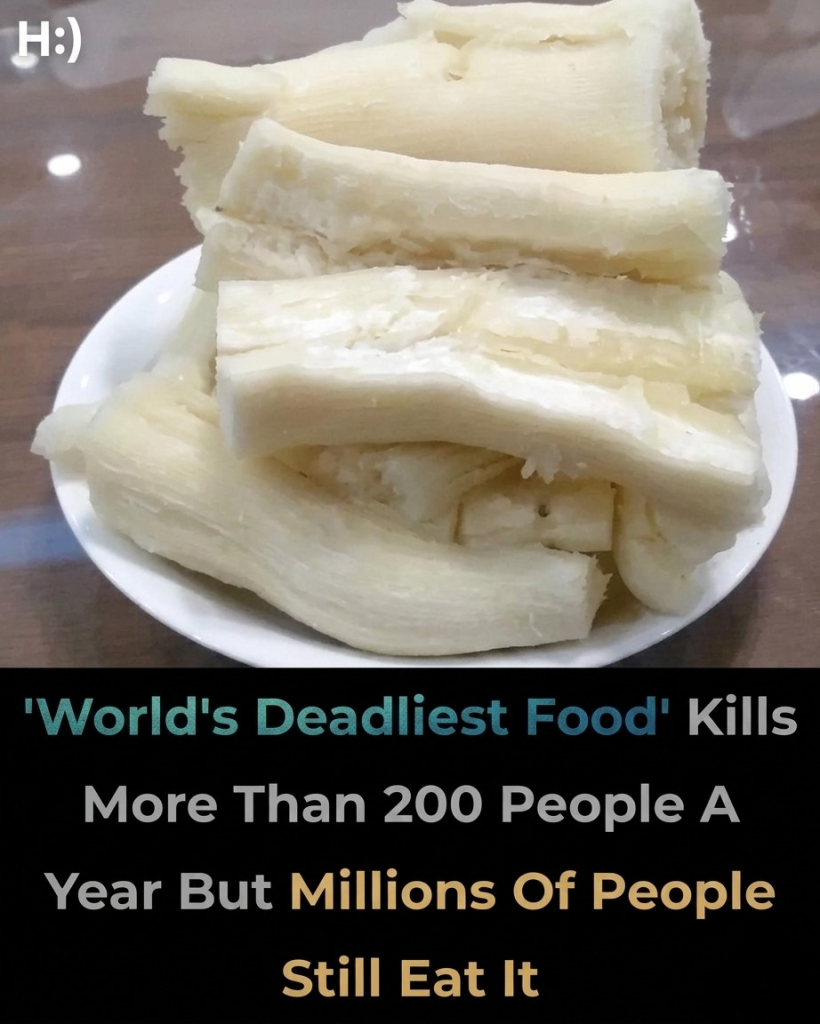
Many of the foods we eat with complete confidence are only safe because of traditions that have been refined over generations, often without us even realizing how essential those practices are. These routines—soaking, cooking, peeling, discarding certain parts—may seem like simple culinary habits, but in reality they are quiet safeguards against substances that can be harmful or even deadly. Take cassava, for example. In many regions of the world, it serves as a vital source of calories and sustenance, yet in its raw form it contains compounds that can release cyanide. Over time, communities discovered that soaking, fermenting, and thoroughly cooking the root neutralizes this danger, transforming a toxic plant into a life-sustaining food. Similarly, potatoes—one of the most common foods globally—can develop a green tint when exposed to light, signaling the presence of solanine, a natural toxin. While it may be tempting to simply cut away the green portion, experts advise discarding the entire potato, as the toxin may have spread beyond what is visible. These examples reveal a deeper truth: many of the “normal” steps we follow in the kitchen are actually critical safety measures shaped by experience and necessity.
Beyond staple foods, there are fruits and ingredients that appear harmless yet carry risks that are not widely understood. Starfruit, with its bright yellow color and star-shaped slices, is often seen as a refreshing and exotic treat. However, for individuals with kidney disease, it can be extremely dangerous. The fruit contains neurotoxins that healthy kidneys typically filter out, but when kidney function is impaired, these toxins can accumulate in the body and affect the brain. Symptoms can range from persistent hiccups and confusion to seizures, and in severe cases, death. This contrast between appearance and effect makes starfruit particularly deceptive. It serves as a reminder that not all dangers are obvious and that even foods marketed as healthy or natural can pose serious risks under certain conditions. Understanding how our bodies interact with what we eat is just as important as recognizing the food itself.
Even the smallest parts of familiar fruits can carry hidden dangers, particularly their seeds and pits. Apples, cherries, apricots, and bitter almonds all contain compounds known as cyanogenic glycosides, which can release cyanide when crushed or chewed. In most everyday situations, this is not a cause for concern because people typically swallow seeds whole or discard them altogether, preventing the release of toxins. However, problems can arise when these seeds are consumed in large quantities or broken down before ingestion. Bitter almonds, in particular, contain much higher levels of these compounds compared to the sweet almonds commonly sold in stores. While they are used in certain traditional recipes, they must be processed carefully to remove their toxic elements. These examples highlight the complexity of natural foods: what is safe in one form can become harmful in another. It also underscores the importance of moderation and awareness, especially when experimenting with unfamiliar ingredients or traditional foods from different cultures.
Some foods that are widely enjoyed can become hazardous if not prepared correctly, demonstrating how crucial proper cooking techniques are. Kidney beans are a clear example. When raw or undercooked, they contain a toxin called phytohaemagglutinin, which can cause severe gastrointestinal distress, including nausea and vomiting. Fortunately, this toxin is easily destroyed by boiling the beans at a high temperature for a sufficient amount of time. However, using methods like slow cooking at lower temperatures can actually make the problem worse rather than better. Cashews provide another interesting case. The cashews sold in stores are not truly raw; they have been heat-treated to remove a toxic substance found in their shells, which is chemically similar to the irritant in poison ivy. Handling or consuming truly raw cashews without this processing could lead to skin irritation or allergic reactions. Even mangoes, beloved for their sweet flavor, contain traces of the same irritant in their skin, which can cause discomfort for sensitive individuals. These examples show how modern food processing often shields us from risks we rarely consider, making it easy to forget the effort required to make certain foods safe.
Spices and delicacies can also carry unexpected risks when used improperly or consumed in excess. Nutmeg, for instance, is a common ingredient in baking and cooking, known for its warm, aromatic flavor. In small amounts, it is completely safe and enhances a variety of dishes. However, when consumed in large quantities, nutmeg can act as a hallucinogen, leading to symptoms such as dizziness, confusion, nausea, and even psychological distress. The line between a flavorful addition and a harmful dose is surprisingly thin, which makes moderation essential. Perhaps the most famous example of a potentially dangerous delicacy is pufferfish, known as fugu in Japan. This fish contains tetrodotoxin, a substance far more potent than cyanide, capable of causing paralysis and death if ingested. Preparing fugu is a highly specialized skill that requires years of training and certification, as even a small mistake can have fatal consequences. Despite the risks, it remains a sought-after dish, illustrating how cultural traditions can transform even the most dangerous ingredients into celebrated culinary experiences when handled with precision and respect.
Taken together, these examples reveal a powerful and often overlooked reality: food is not just nourishment, but a complex interaction between nature, knowledge, and human practice. Many of the dishes we enjoy today are the result of centuries of trial, error, and shared wisdom, passed down through generations to ensure both safety and flavor. When we follow these traditions—whether it’s properly cooking beans, avoiding certain parts of fruits, or understanding individual health risks—we are participating in a long chain of learning that protects us in ways we might not fully appreciate. At the same time, these stories remind us to remain curious and cautious, especially in a world where new foods and global cuisines are more accessible than ever. Respecting ingredients, understanding their properties, and preparing them correctly allows us to enjoy their benefits without exposing ourselves to unnecessary danger. In the end, the simple act of cooking becomes an expression of both culture and care, turning potentially harmful substances into meals that sustain and connect us.