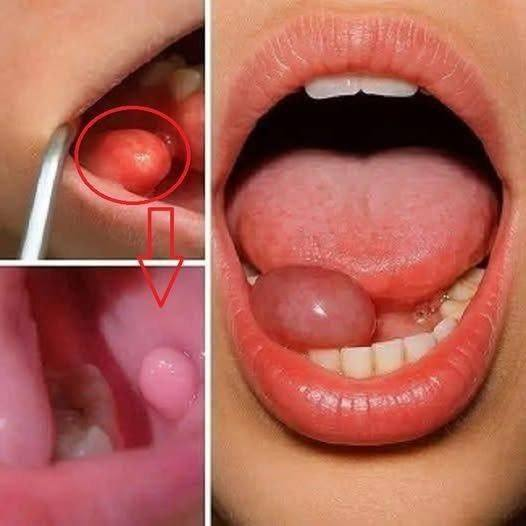
Oral cancer, also known as mouth cancer, is a serious condition that can develop in several areas of the oral cavity, including the lips, tongue, cheeks, gums, roof of the mouth, and the floor beneath the tongue. Because these parts of the body are used constantly for speaking, eating, and smiling, even small changes can have a major impact. The American Cancer Society emphasizes that early detection is the single most important factor in improving outcomes. When caught in its earliest stages, oral cancer is far more treatable, with survival rates rising significantly.
The challenge, however, lies in how subtle the early symptoms can be. Many of the first warning signs are easily mistaken for common issues such as irritation from dental work, a canker sore, or even mild gum disease. This makes awareness critical, and it underscores the importance of routine dental visits. Dentists are often the first to spot potential problems, sometimes before a patient notices anything unusual.
One of the most common signs of oral cancer is a sore in the mouth that does not heal within two weeks. These sores may appear on the lips, tongue, gums, or the inner lining of the cheeks. They may or may not be painful, which is why they can sometimes be overlooked. Any sore that lingers beyond a couple of weeks should be evaluated by a medical professional.
Changes in the color of mouth tissues are another warning sign. White patches, known as leukoplakia, can signal abnormal growth, while red patches, called erythroplakia, may indicate a more serious condition. Sometimes, both colors appear together in mixed patches. These areas may not cause discomfort at first, but persistent patches always warrant professional examination to rule out precancerous or cancerous changes.
Other symptoms include unexplained bleeding, persistent lumps or thickened areas, and rough patches in the mouth or throat. These changes often start small but can gradually progress. Numbness, tingling, or a loss of sensation in the lips, tongue, or chin can suggest that nerves are being affected. People may also experience persistent pain in the jaw or ear that cannot be explained by other dental issues.
Difficulty with basic functions such as chewing, swallowing, or speaking should never be ignored. These problems can be linked not only to oral cancers but also to cancers in the throat. Another overlooked symptom is chronic bad breath that does not improve with good oral hygiene. While bad breath is usually harmless, when it persists despite brushing, flossing, and professional cleanings, it may point to an underlying health issue requiring medical evaluation.
Certain risk factors increase the likelihood of developing oral cancer. Tobacco use, whether smoking cigarettes, cigars, pipes, or using smokeless tobacco, remains the most significant contributor. Heavy alcohol consumption compounds this risk, especially when combined with tobacco use. Human papillomavirus (HPV) infection, particularly certain strains, has also emerged as a growing risk factor. Additional contributors include excessive sun exposure to the lips, poor diet, weakened immune systems, and simply getting older—most cases are diagnosed in people over 40.
For those with higher risk factors, regular screenings are essential. The Mayo Clinic recommends visiting the dentist at least twice a year, not only for cleanings but also for oral cancer checks. A quick examination by a dentist can reveal early changes that patients may not detect on their own.
The good news is that oral cancer is highly treatable when diagnosed early. Paying close attention to persistent changes in the mouth and seeking care promptly can make a life-saving difference. By staying alert, scheduling regular dental checkups, and reducing risk factors where possible, individuals can take powerful steps to protect both their health and quality of life.