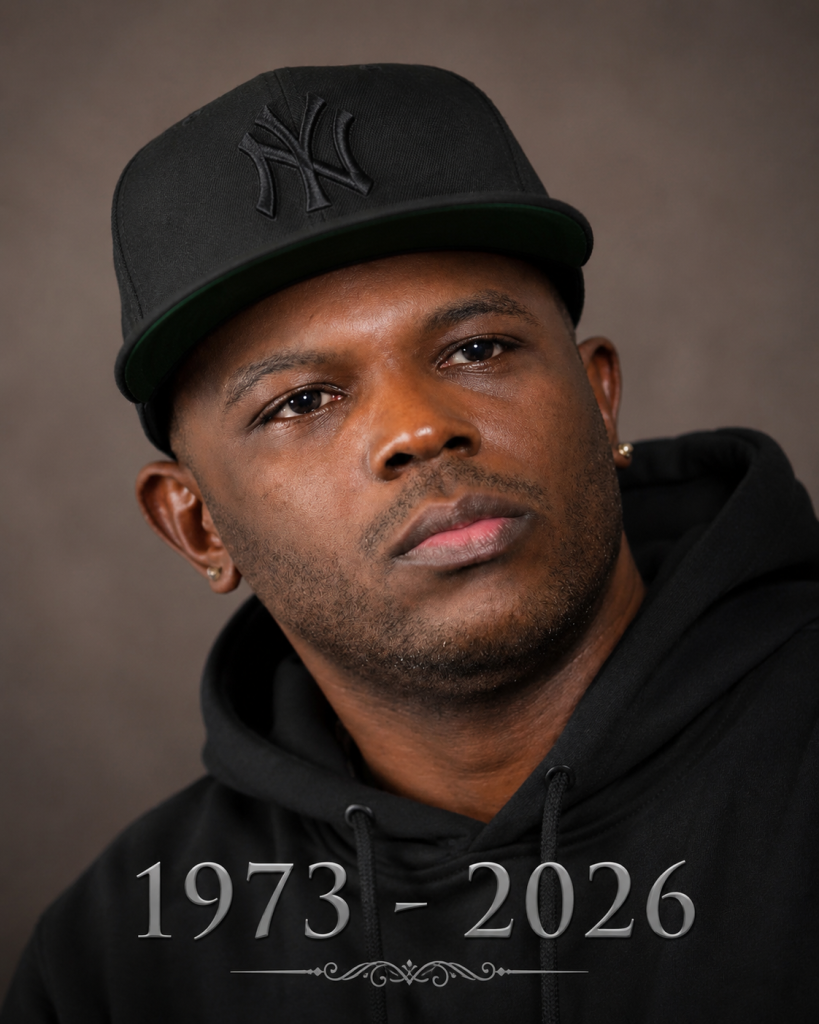
The hip-hop world has been reflecting on the passing of Oliver “Power” Grant, whose influence reached far beyond what many fans ever saw publicly. While performers usually receive the headlines, every legendary movement is often supported by people working behind the scenes, and Grant was one of those rare visionaries whose ideas helped transform a talented group into a cultural force. His impact was not centered on performing, but on recognizing opportunity, building structure, and helping turn ambition into something lasting.
In the early 1990s, when hip-hop was rapidly evolving, the Wu-Tang Clan emerged with a bold and unconventional identity that challenged the traditional music industry model. Grant became an important part of that foundation, contributing to the business direction and long-term strategy that helped the collective grow beyond a recording group. He understood that the power of the Wu-Tang movement extended into branding, entrepreneurship, and cultural influence, and he encouraged a vision that reached well beyond the studio.
One of his most significant contributions came through his involvement with Wu Wear, a clothing brand that became one of the earliest successful artist-driven fashion ventures in hip-hop. At a time when many musicians depended heavily on record labels, Grant supported efforts that emphasized ownership, independence, and creative control. The success of Wu Wear demonstrated that artists could build businesses connected to their identity and community, helping inspire a new generation of musicians and entrepreneurs to think beyond traditional industry boundaries.
As the Wu-Tang Clan grew into a global phenomenon, the organization behind the movement became just as important as the music itself. Grant’s work helped create an environment where artists could focus on creativity while a broader vision for the brand and its future continued to develop. His strategic mindset contributed to a model that combined artistic expression with business innovation, a formula that remains influential decades later.
Despite playing a meaningful role in one of hip-hop’s most important success stories, Grant largely stayed away from the spotlight. Those who knew him often respected his ability to remain focused on the work rather than the attention that came with it. His leadership was expressed through collaboration, planning, and a willingness to support others rather than seek recognition for himself.
His passing serves as a reminder that some of the most influential figures in culture are not always the most visible. The continued legacy of the Wu-Tang Clan, along with the entrepreneurial path it helped establish, reflects the lasting impact of people like Oliver “Power” Grant. His contribution was measured not only in business ventures or industry milestones, but in the enduring vision he helped bring to life, a vision built on independence, creativity, and belief in the power of collective success.