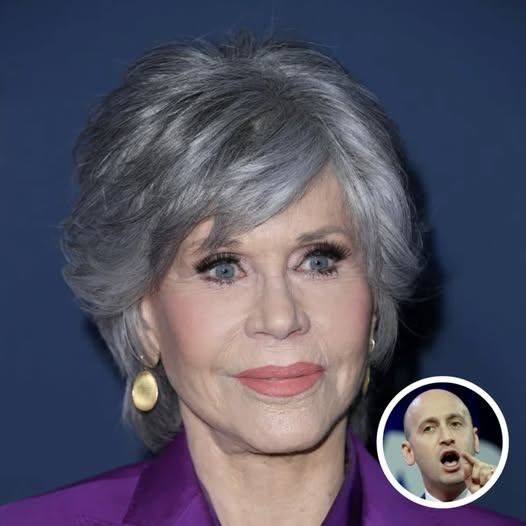
The legacy of Jane Fonda has resurfaced in public debate decades after her most controversial political activism during the Vietnam War. Her actions during that period continue to spark discussion about protest, patriotism, and the role of public figures in political movements.
The latest discussion intensified after comments by Stephen Miller, who previously served in the administration of Donald Trump. During a television appearance on Fox News, Miller argued that Fonda’s activism in the early 1970s should still influence how people evaluate her today.
The controversy centers on Fonda’s 1972 visit to North Vietnam during the final years of the Vietnam War. At the time, the conflict deeply divided American public opinion, with many citizens supporting the military effort while others strongly opposed the war.
Fonda, already a well-known actress, openly supported the anti-war movement. She gave speeches, joined demonstrations, and criticized U.S. military policy. During her trip, she also participated in radio broadcasts aimed at American service members, encouraging an end to the conflict.
A photograph from that visit became especially controversial. In the widely circulated image, Fonda sat near a North Vietnamese anti-aircraft gun. Critics viewed the image as symbolic support for an enemy government, and she was labeled “Hanoi Jane” by opponents.
Over the years, Fonda has acknowledged the photograph was a mistake. She has apologized multiple times to veterans and their families, explaining that she did not fully understand how the image would be interpreted at the time.
Despite those apologies, the event remains divisive. Some critics believe it should permanently shape public perception of her legacy, while others argue her later activism and decades of work in film and social causes should also be considered.
Today, Fonda continues acting and advocating on issues such as climate policy and social reform. The ongoing debate around her past reflects broader questions about accountability, historical context, and how society evaluates complex public figures.