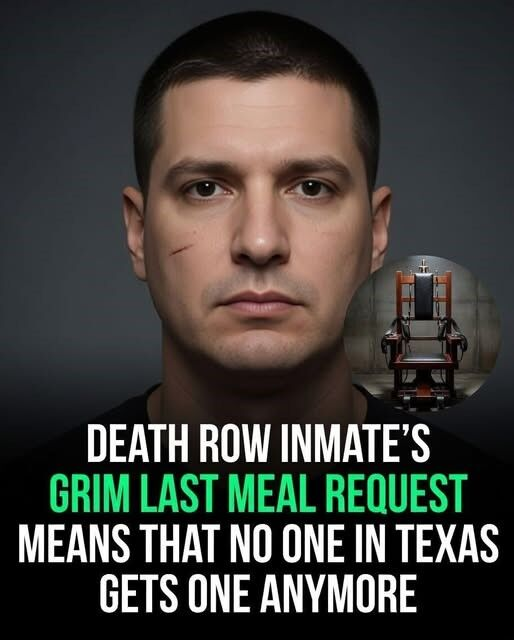
For decades, Texas allowed death row inmates to request a final meal before execution, continuing a long-standing tradition rooted in symbolism, ritual, and the acknowledgment of humanity even in a prisoner’s final hours. Most inmates requested simple comfort foods, while some declined the meal altogether. But in 2011, one controversial case ended the practice permanently.
The inmate was Lawrence Russell Brewer, convicted for the racially motivated 1998 murder of James Byrd Jr. in Jasper, Texas. The crime shocked the nation because of its brutality and later contributed to the creation of the James Byrd Jr. Hate Crimes Prevention Act in 2009. Brewer was sentenced to death, and when his execution date arrived in September 2011, public attention unexpectedly shifted to his final meal request.
Brewer ordered a massive meal that reportedly included chicken-fried steaks, barbecue, pizza, ice cream, peanut butter fudge, fried okra, and multiple root beers. Prison staff prepared the request, but when the food was delivered, Brewer refused to eat any of it, saying he was not hungry. The untouched meal was thrown away.
The incident outraged Texas State Senator John Whitmire, who argued that condemned inmates should no longer receive special privileges at taxpayer expense. He called the tradition inappropriate and demanded it end immediately. Within hours, the Texas Department of Criminal Justice officially abolished special last-meal requests for death row inmates.
The decision sparked debate across the country. Supporters believed the tradition had become excessive and disrespectful, especially to victims’ families. Critics argued that eliminating last meals removed a small gesture of dignity from an already severe punishment.
More than a decade later, Texas still serves standard prison meals to inmates facing execution. Brewer’s uneaten final meal remains one of the most influential and controversial moments in modern American prison history, symbolizing the ongoing tension between justice, punishment, and humanity.