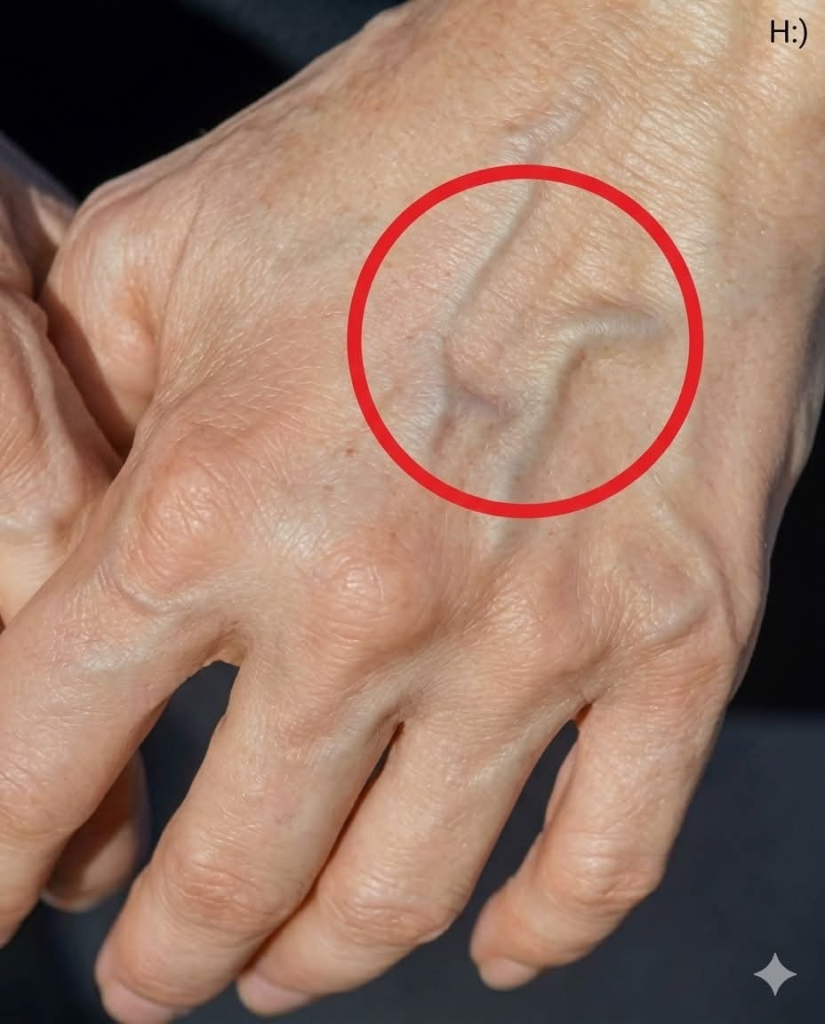
Visible hand veins often become noticeable suddenly, prompting curiosity or concern. In most cases, this is completely normal. Hand veins are part of the superficial venous network located just beneath thin skin, which makes them easier to see than veins elsewhere.
Skin tone and aging strongly influence visibility. People with lighter skin may notice brighter veins due to contrast. Over time, skin loses elasticity, fat, and thickness, allowing veins, tendons, and bones to appear more pronounced.
Body composition also matters. Lean or athletic individuals typically have more visible veins because there is less fat covering them. After exercise, veins may temporarily enlarge as blood flow increases and vascular pressure rises.
Environmental and lifestyle factors contribute too. Heat, hot showers, hydration levels, and pregnancy can all make veins appear larger. During pregnancy, increased blood volume and hormonal changes commonly cause temporary vein prominence.
Most visible veins are harmless, but some changes may signal conditions like varicose veins. When vein valves weaken, blood can pool, creating bulging or rope-like veins. While more common in legs, this can occasionally affect hands.
Certain symptoms should not be ignored. Pain, swelling, warmth, redness, or tenderness may indicate inflammation, thrombophlebitis, or other vascular issues. Sudden enlargement or hardness in a vein warrants medical evaluation.
Healthy habits support good circulation. Regular movement, maintaining a healthy weight, hydration, and avoiding restrictive clothing reduce strain on veins. Elevating the hands and avoiding smoking can further protect vascular health.
Ultimately, visible hand veins usually reflect normal body function, fitness, or aging rather than illness. Monitoring changes and recognizing warning signs helps distinguish harmless variation from concerns, allowing people to respond appropriately without unnecessary worry.