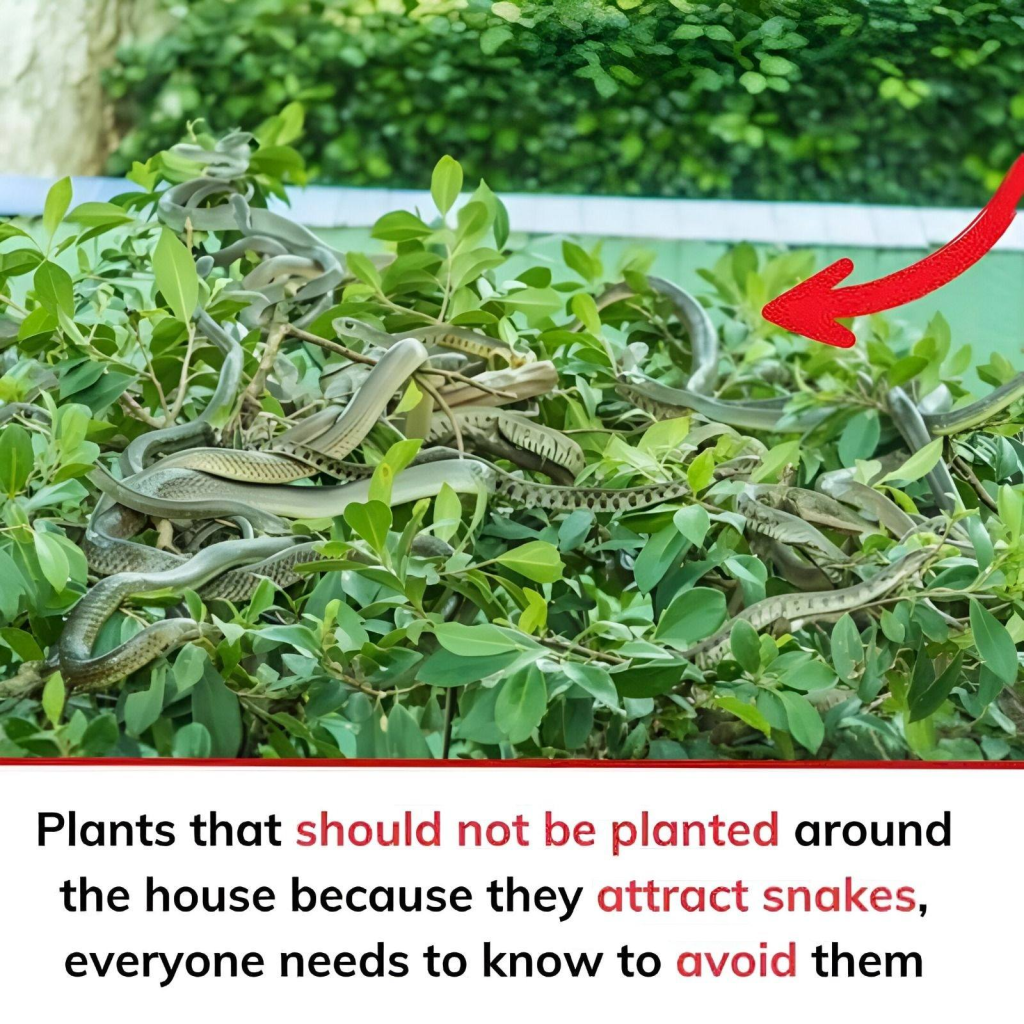
Snakes are naturally drawn to environments that provide their essential needs: shelter, moisture, and access to food sources such as insects, rodents, or small animals. In warm and humid regions, these conditions are often easy to find, especially in areas with dense vegetation or limited human activity. As a result, snakes may occasionally be seen in gardens, fields, or outdoor spaces where they can remain hidden and undisturbed for long periods.
They are commonly found in places that offer natural cover. This can include tall grass, thick shrubs, piles of leaves, stacked firewood, rocks, or any outdoor clutter that creates small gaps and shaded areas. These spaces help snakes regulate their body temperature while also providing protection from predators. Because of this, areas that are not regularly maintained tend to be more likely to support snake activity.
It is a common misconception that certain plants directly attract snakes. In reality, plants do not draw snakes on their own. Instead, the environment created by dense or overgrown vegetation can make an area more suitable for them. For example, thick ground cover or heavily shaded garden sections may retain moisture and provide cool resting spots. Snakes may be present simply because the habitat supports their survival needs, not because of specific plant types.
Managing the surrounding environment is one of the most effective ways to reduce the likelihood of snake encounters. Keeping grass trimmed, removing piles of debris, and storing wood or materials off the ground can significantly reduce potential hiding places. It is also helpful to clear standing water when possible and ensure that outdoor areas are regularly maintained so that they do not become overly dense or overgrown.
Preventing snakes from entering homes involves basic structural awareness. Sealing gaps in walls, repairing broken screens, and ensuring doors and windows close properly can help limit access. Garages, basements, and storage areas should also be kept organized and free from clutter, as these spaces can unintentionally provide quiet hiding spots if left unchecked.
Most snake species prefer to avoid human contact whenever possible. They typically retreat when they sense movement or vibration. By maintaining clean, organized surroundings and reducing areas where they can hide, people can lower the chances of encountering snakes while still respecting their role in the natural ecosystem. With simple, consistent care of outdoor and indoor spaces, coexistence with wildlife becomes safer and more manageable.