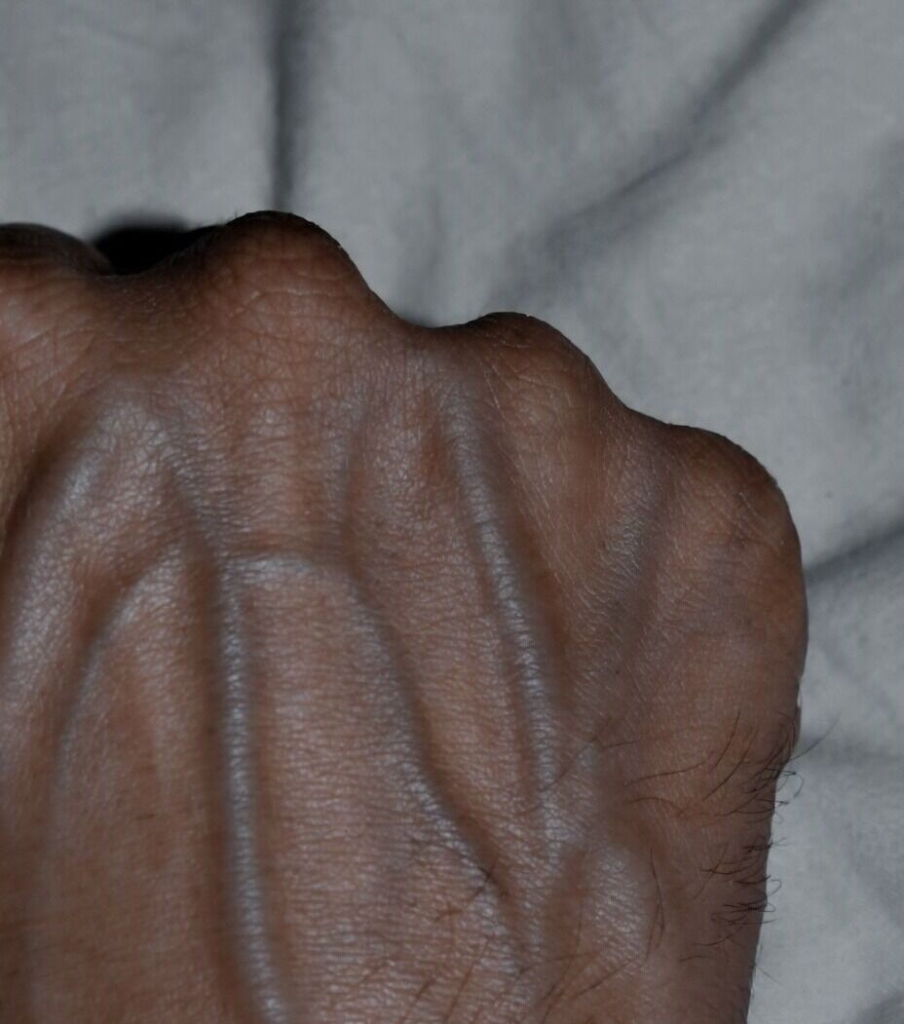
Visible veins—often called vascularity—can look impressive, especially in athletes, but they don’t have just one meaning. In most cases, they simply reflect a combination of body composition, muscle development, and genetics. When body fat is lower, there’s less tissue covering the veins, so they become easier to see. Add muscle on top of that, and the veins get pushed closer to the surface, making them more pronounced. That’s why people who train consistently—especially with weights—often notice veins in their arms, shoulders, or legs. It’s not magic, and it’s not always extreme fitness either—it’s just how the body looks when fat is reduced and circulation is strong.
Body fat plays the biggest role. When someone reaches lower ranges (for example, many men below roughly 10–12% and women around 15–20%), veins naturally become more visible. But that doesn’t automatically mean someone is “healthier” than others. You can be healthy without visible veins, and you can also have visible veins without being in peak condition. Genetics matter a lot here—some people have naturally thinner skin or veins that sit closer to the surface, so they look vascular even at higher body fat levels. Others may train hard and never get that same look. So comparing yourself to others based on veins alone can be misleading.
Hydration and daily conditions can change how your veins look from hour to hour. When you’re slightly dehydrated, your body holds less fluid under the skin, making veins pop more. Heat, workouts, or even stress can temporarily increase blood flow (vasodilation), making veins appear bigger and more defined. After a workout, for example, you might notice a strong “pump”—that’s increased blood flow filling the muscles and veins. On the flip side, cold temperatures can make veins shrink and become less visible. So what you see in the mirror is often a mix of real body composition and temporary effects.
There are also hormonal and age-related influences. As people get older, skin naturally becomes thinner and loses elasticity, which makes veins more visible even without major changes in fitness. Hormones like testosterone can support muscle growth and vascularity, which is why men often show veins more easily than women. In women, changes during pregnancy or certain phases of the menstrual cycle can also increase vein visibility due to shifts in blood volume and hormones. Again, these are normal physiological responses—not necessarily signs of something extreme.
However, not all visible veins are purely aesthetic. Sometimes they can signal medical conditions. Varicose veins, for example, are enlarged, twisted veins often seen in the legs and can come with discomfort, swelling, or heaviness. Sudden or unusual vein prominence—especially if it’s painful, one-sided, or accompanied by redness—could indicate circulation issues like a clot or vascular problem. That’s why context matters. If your veins have always been visible and you feel fine, it’s likely normal. But if something changes quickly or feels off, it’s smart to get it checked.
In the end, visible veins are just one piece of the puzzle. They can reflect leanness, training, and good circulation—but they don’t define your health. Real health is built on consistent habits: balanced nutrition, regular movement, good sleep, and stress management. If veins show up along the way, that’s just a byproduct—not the goal. The smartest approach is to understand what your body is showing you, without overinterpreting it, and focus on building strength, energy, and long-term well-being rather than chasing a specific look.