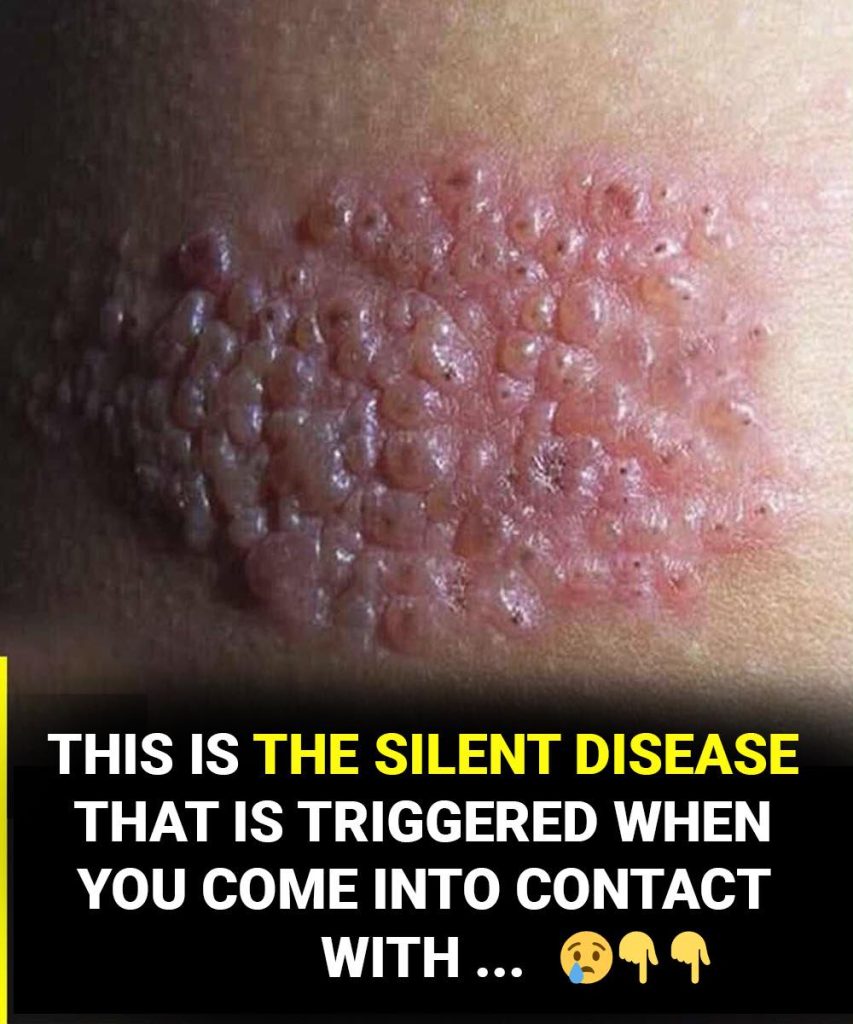
Shingles, also known as herpes zoster, is a disease that often causes confusion and concern when it appears, especially because many people are unaware of its origin, its real causes, and why it can manifest even in individuals who lead seemingly healthy lives. Although it’s not always discussed, it’s a relatively common condition, particularly after a certain age, and understanding it is key to acting promptly and avoiding complications.
Shingles is neither a new nor a strange disease.
It’s directly related to the varicella-zoster virus, the same one that causes chickenpox in childhood. What many people don’t know is that, once chickenpox has cleared up, the virus doesn’t disappear from the body. It remains dormant for years, even decades, lodged in the nervous system without causing symptoms. Under certain circumstances, it can reactivate and cause shingles.
This reactivation usually occurs when the immune system is weakened.
The body’s natural aging process, prolonged stress, chronic illnesses, medical treatments that weaken the immune system, or periods of intense physical and emotional strain can create an environment conducive to the reactivation of the virus. Therefore, although it is more common in adults over 50, it can also occur in younger people.
One of the most characteristic aspects of shingles is that it doesn’t appear suddenly without any prior warning signs.
In many cases, the first symptoms are nonspecific and can be confused with other health problems. Localized pain, burning, tingling, or hypersensitivity in a specific area of the body are often the first indications. These discomforts can appear days before the visible manifestations emerge, making early diagnosis difficult if they are not monitored.
As the days pass, a localized rash usually appears, generally on only one side of the body. This pattern is not random: the virus reactivates along a specific nerve, which explains why the lesions follow a defined distribution and do not spread throughout the body. Although the external appearance is striking, specialists emphasize that the associated pain can be the most intense and persistent symptom.
In most cases, shingles has a favorable outcome with appropriate medical treatment.
Antiviral medications, when administered within the first 72 hours of symptom onset, can shorten the duration of the illness and reduce the risk of complications. However, when diagnosis is delayed, one of the most feared long-term effects can appear: postherpetic neuralgia, a persistent pain that can last for months or even years after the rash disappears.
This chronic pain not only affects quality of life but also emotional well-being.
Those who suffer from it describe a constant burning or stabbing sensation that interferes with sleep, rest, and daily activities. For this reason, doctors stress the importance of not minimizing initial symptoms and seeking medical advice immediately if any suspicion arises.
Another point that often raises questions is whether shingles is contagious.
The answer is only partially true. A person with shingles does not transmit the disease itself, but they can transmit the varicella-zoster virus to someone who has never had chickenpox or been vaccinated, causing chickenpox, not shingles. Therefore, during the active phase, it is recommended to avoid direct contact with immunocompromised individuals, pregnant women, and newborns.
In recent years, prevention has become paramount. Vaccines are specifically designed to reduce the risk of developing shingles and, if it does occur, to lessen the severity of the illness. Health organizations recommend vaccination primarily for older adults and people with risk factors, as it has proven to be an effective tool for preventing complications.
Beyond treatments and vaccines, shingles offers a clear lesson: health depends not only on the absence of visible illnesses.
A balanced immune system, stress management, and paying attention to the body’s signals play a fundamental role. Often, the body gives warning signs before something becomes obvious.
In short, shingles is a well-known but underestimated disease. Understanding its origin, recognizing its early symptoms, and acting promptly can make a significant difference in its progression. Being informed doesn’t cause alarm, but rather prevention, and in this case, being vigilant can avoid prolonged pain and unnecessary complications.