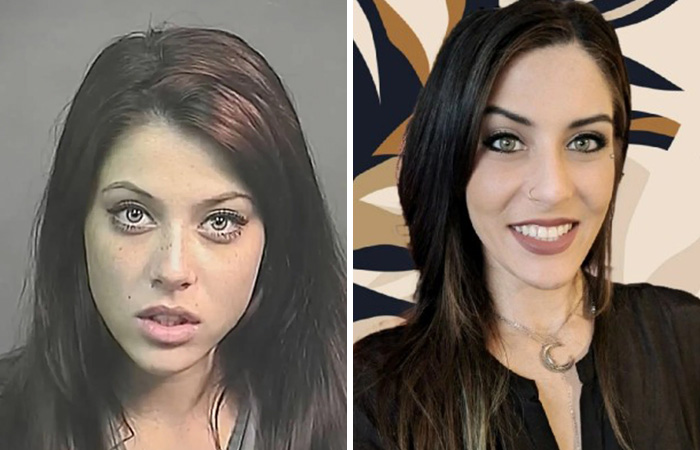
Sara Jane Isbister entered the world in 1990 in Brevard County, Florida, as an ordinary girl with dreams and a supportive family that instilled strong morals and values. Growing up, she experienced the typical ups and downs of adolescence, but everything shifted dramatically in her late teens and early twenties. Around age 18, she worked as a waitress at Hooters before transitioning into cocktail waitressing and eventually exotic dancing. These environments exposed her to a fast-paced, hedonistic lifestyle filled with parties, substances, and risky choices. At just 21, her first arrest led to a mugshot that would later define a bizarre chapter of her life. What began as a series of petty crimes—primarily related to drug possession, probation violations, and failure to appear in court—quickly escalated. Over roughly two and a half years, Sara accumulated around nine booking photos. Each image captured her evolving look, from fresh-faced to more edgy and chaotic, often compared to a real-life Harley Quinn. Little did she know that her striking features—intense eyes, freckles, and natural beauty—would turn these routine police photos into internet sensations. Online communities quickly dubbed her the “mugshot beauty,” and her images spread like wildfire across social media, gossip blogs, and even mainstream outlets. By her early twenties, Sara had become an unlikely celebrity, featured in magazines like Maxim as part of “The Bad Girl Club” spread. The attention was intoxicating at first, but it masked deeper personal turmoil. The loss of her father, whom she described as her best friend, left a profound void that she tried to fill with rebellion and substances. “All my problems have stemmed from drugs,” she later reflected. She admitted wanting to be “the baddest of the baddest,” pushing boundaries without fully grasping the long-term consequences. Her reckless phase included stripping and heavy drug use, periods where thinking about the future felt impossible. Those mugshots froze moments of vulnerability and defiance, turning her into a symbol of photogenic trouble for the digital age. Yet behind the viral fame was a young woman grappling with grief, addiction, and identity.
The internet’s obsession with Sara Jane Isbister brought both adoration and unexpected darkness. As her mugshots went viral, fans and critics alike flooded comment sections with compliments on her looks, while others sent disturbing messages. She received creepy obsessions, death threats, false accusations, and even mail from convicted killers. Strangers projected fantasies onto her, accusing her of crimes she never committed, including bizarre claims like harming pets. The sudden spotlight amplified her isolation; what started as petty legal troubles became a permanent digital footprint that followed her everywhere. Media outlets amplified the phenomenon, with sites like Perez Hilton covering her story in sensational tones. For a young woman already struggling internally, this external pressure intensified feelings of being lost and broken. Sara has since described herself during that era as naive, sad, and hurt—qualities hidden behind the bold, defiant stare in her booking photos. The fame also brought fleeting opportunities, such as modeling interest and public curiosity, but it rarely translated into positive support. Instead, it highlighted society’s fascination with “pretty criminals” and the double-edged sword of viral beauty. While some celebrated her appearance, others used it to dismiss her struggles, assuming her looks granted her privilege or leniency. In reality, the attention compounded her issues, making it harder to escape the cycle. Reflecting years later, Sara noted how the experience was surreal and terrifying. The woman frozen in those photos was not seeking stardom but was simply a product of poor decisions and unresolved pain. This chapter of her life illustrates how one impulsive phase, captured in high-resolution police cameras, can spiral into global notoriety overnight. The “mugshot beauty” label stuck, even as Sara desperately tried to move forward.
As the years passed after her last documented arrests around 2019, Sara Jane Isbister began the difficult process of rebuilding. Now 34 years old in 2026, she has distanced herself significantly from the “bad girl” persona that once dominated headlines. She credits personal growth, self-reflection, and a conscious decision to leave substances behind for her transformation. The environments that once fueled her troubles—nightlife, drugs, and chaos—gave way to creative pursuits and stability. Sara relocated her focus to Indialantic, Florida, where she embraced a quieter existence far removed from flashing cameras and courtroom drama. She openly acknowledges the recklessness of her twenties, describing how she was edgy and constantly pushing limits without considering tomorrow. “I was raised with morals and values but I was just so edgy,” she shared in recent interviews. Everything had to be more hardcore, she explained, but that mindset led only to pain. Today, she views those mugshots as relics of a former self—a version trapped in grief and poor choices following her father’s death. Recovery involved confronting addiction head-on, understanding its roots, and committing to healthier patterns. While details of her sobriety journey remain private, Sara emphasizes that drugs never brought anything positive into her life. This period of reinvention was not overnight; it required consistent effort to shed the online persona and reclaim her narrative. The internet’s memory is long, yet Sara chose not to let past viral moments define her future. Instead, she channeled energy into skills and passions long neglected during her wild phase. Her story resonates as a powerful example of second chances, showing that public shame and digital permanence do not have to be permanent barriers to change.
In her current life, Sara Jane Isbister has emerged as a multi-faceted, award-winning visual artist and writer with a bold approach to creativity and brand marketing. She boasts over ten years of customer care experience, which informs her professional demeanor and ability to connect with audiences authentically. Sara works primarily with mediums like alcohol inks, acrylics, and felt markers, producing vibrant, expressive pieces that reflect emotional depth and resilience. Her artwork has earned recognition, including a second-place award at the Cocoa Village Fine Arts Fair. Titles like “MiaBianca’s Hartache” and “Renegade Angel” hint at themes of pain, rebellion, and angelic redemption—echoes of her own journey. She shares her creations on social media under handles that suggest lingering boredom with conventional paths, yet her output demonstrates focused passion. Beyond visual art, Sara pursues writing as a means of processing and expressing her story. She describes her present existence as “so far” from the mugshot days, emphasizing growth into a confident, purpose-driven woman. Professionally, she combines artistic talent with marketing savvy, creating a sustainable career that aligns with her values. Her LinkedIn profile paints a picture of a fearless creative professional who has turned personal adversity into fuel for innovation. Friends and observers note her polished appearance and warm smile in recent photos, contrasting sharply with the intense, defiant stares from years ago. Sara now wears her dark hair elegantly, often with subtle makeup that highlights her timeless features without the chaos of the past. This transformation extends beyond aesthetics; it represents mental and emotional maturity. She wishes she had invested more time in these creative outlets during her younger years, but values the lessons learned through hardship.
The broader implications of Sara Jane Isbister’s story touch on modern phenomena like viral fame, digital permanence, and societal judgment. In an era where a single photo can launch or destroy reputations, her case exemplifies how beauty can both help and hinder. The “mugshot beauty” trope fascinates because it challenges stereotypes—showing that attractiveness exists across all walks of life, including those in legal trouble. Yet it also raises questions about exploitation: did the public’s obsession glamorize criminal behavior, or did it merely reflect shallow internet culture? Sara’s experiences with harassment highlight the darker underbelly of sudden fame, where boundaries dissolve and privacy evaporates. Her redemption arc offers hope amid such scrutiny, proving personal evolution is possible despite permanent online records. Many young people today face similar pressures—grief, addiction, impulsivity—and Sara’s openness provides a roadmap for accountability and growth. She has spoken candidly about not realizing consequences at a young age, a sentiment echoed by others who stumbled in their twenties. Media coverage of her recent reflections humanizes her, shifting focus from sensational mugshots to thoughtful maturity. As society grapples with cancel culture versus forgiveness, Sara stands as a living testament to the latter. Her artistic success demonstrates that talent and determination can overshadow past mistakes. Looking ahead, she continues creating, marketing, and living authentically, keeping a relatively low profile while inspiring those who recognize her from the viral era. The contrast between then and now underscores life’s fluidity—people are not defined by their lowest moments but by how they rise afterward.
Ultimately, Sara Jane Isbister’s narrative is one of profound resilience and quiet triumph. From the freckled, wide-eyed woman staring defiantly from Florida police cameras to the award-winning artist crafting beauty from pain, her path reflects universal themes of fall and redemption. At 34, she has closed the book on her “bad girl” phase, embracing creativity, self-awareness, and stability. While the internet may forever circulate those old images, Sara has rewritten her story with new chapters filled with color, expression, and purpose. Her journey encourages empathy, reminding us that behind every viral sensation lies a complex human being capable of change. As she focuses on art, writing, and personal peace, Sara Jane Isbister proves that even the most unexpected fame can lead to meaningful reinvention. Her legacy is no longer just “mugshot beauty” but a symbol of growth, creativity, and the enduring power to evolve beyond one’s past. In sharing her truth years later, she offers inspiration for anyone seeking to transform their own life, one deliberate step at a time