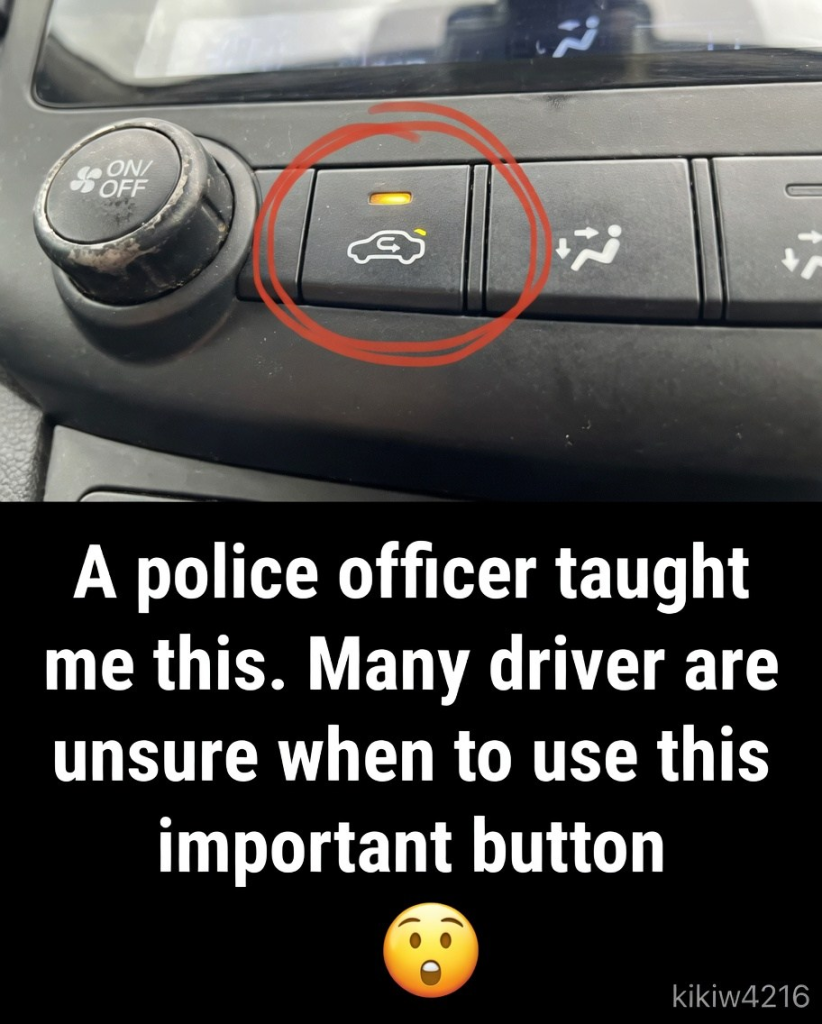
Most drivers recognize the air recirculation symbol instantly, yet few truly understand the depth of its influence on comfort, efficiency, and safety inside a vehicle. That small icon, often pressed without much thought, quietly controls how the cabin interacts with the outside world. When activated, it seals off external air and continuously cycles the air already inside the car. This seemingly simple action changes how fast the cabin cools or heats, how much fuel the vehicle uses, and how protected occupants are from pollution, smoke, and unpleasant odors. In modern traffic environments filled with exhaust fumes, construction dust, and seasonal allergens, the ability to temporarily isolate the cabin has become more valuable than ever. However, this same isolation can also create unintended side effects if used incorrectly, turning a comfort feature into a source of fogged windows and stale air. Understanding this balance is essential for drivers who want to use their vehicle systems intelligently rather than habitually.
To fully appreciate why air recirculation matters, it helps to understand how a vehicle’s climate control system is designed to function. In normal fresh-air mode, outside air is drawn through an intake near the windshield, passed through a cabin air filter, then cooled or heated before entering the interior. This process constantly refreshes the cabin, regulates humidity, and maintains a natural airflow that feels breathable over long periods. When recirculation is switched on, an internal flap closes that intake, forcing the system to reuse air that has already been conditioned. Because this air is closer to the desired temperature, the system reaches comfort levels more quickly and with less effort. On extremely hot days, this difference can be dramatic, especially when a car has been sitting in direct sunlight. Instead of fighting relentless waves of hot outside air, the air conditioner works with already-cooled air, reducing strain on the compressor and improving efficiency in a way drivers can feel almost immediately.
The efficiency benefits of air recirculation extend beyond comfort alone. When a climate system works less to maintain temperature, it draws less energy from the engine or battery. In conventional vehicles, this can result in slight but measurable fuel savings, particularly in stop-and-go traffic where air conditioning demand is high. In hybrid and electric vehicles, the effect can be even more noticeable, as climate control directly impacts driving range. Recirculation also acts as a barrier against environmental pollutants. Urban drivers regularly encounter exhaust from buses, trucks, and motorcycles, while rural drivers may pass through dusty roads or agricultural zones filled with airborne particles. By limiting the intake of outside air during these moments, recirculation helps preserve cleaner cabin air, reducing irritation for passengers with allergies, asthma, or respiratory sensitivities. In these situations, the button becomes less about comfort and more about health protection.
Despite these advantages, prolonged use of recirculation introduces challenges that many drivers only notice once problems appear. Because no fresh air is entering, moisture generated by passengers’ breathing accumulates inside the cabin. Wet clothing, umbrellas, or shoes add even more humidity, especially during rainy or cold weather. Over time, this moisture condenses on windows, causing fog that can significantly reduce visibility. This is not a mechanical failure but a natural consequence of trapping humid air in a closed space. Modern vehicles often counteract this by automatically disabling recirculation when the defroster is activated, recognizing that clearing fog requires drier external air. Drivers who override this behavior or use older vehicles without automation may unknowingly create unsafe driving conditions simply by leaving recirculation on too long.
There is also a subtle human factor involved in extended recirculation use. While oxygen levels inside a car remain safe due to natural air leakage and ventilation design, many people report feeling sluggish or uncomfortable during long drives when fresh air is restricted. This sensation is often psychological or related to humidity and odor buildup rather than true oxygen depletion, but its impact on alertness should not be ignored. Long-distance driving already demands sustained concentration, and anything that contributes to drowsiness can reduce reaction time. Alternating between recirculated and fresh air helps maintain a more pleasant cabin atmosphere and supports mental alertness, particularly on highways or during night driving. This balance highlights that recirculation is best used as a temporary tool rather than a permanent setting.
Seasonal changes further complicate how recirculation should be used. In winter, recirculating warm air can quickly raise cabin temperature, making cold starts more comfortable. However, winter air often carries less moisture than cabin air, meaning fresh-air mode can actually help prevent fogging once the interior warms up. Drivers who rely solely on recirculation during cold months often struggle with persistent window fog and assume there is a fault in the heating system. In reality, the issue lies in trapped humidity. Using fresh air periodically and engaging the air conditioner, even in cold weather, helps remove moisture from the cabin and restore clear visibility. Understanding this interplay allows drivers to adapt their habits rather than fight the system.
The condition of the cabin air filter plays a critical role in how effective both fresh and recirculated air modes are. This filter captures dust, pollen, soot, and other particles before air reaches the cabin. Over time, it becomes clogged, reducing airflow and diminishing the benefits of recirculation. A dirty filter can cause weak ventilation, lingering odors, and increased strain on climate components. Many drivers focus on oil changes and engine maintenance while overlooking this inexpensive yet essential part. Regular replacement not only improves air quality but also ensures that recirculation works as intended when needed most, such as during heavy traffic or extreme temperatures.
Modern vehicles increasingly automate recirculation based on sensor data, reflecting its nuanced role. Some systems monitor humidity levels and adjust airflow to prevent fogging, while others detect pollution and temporarily seal the cabin. These technologies enhance comfort and safety but can also confuse drivers who do not understand why settings change automatically. Awareness of how and why the system behaves builds trust and encourages manual adjustments when conditions demand it. Rather than surrendering control entirely to automation, informed drivers work alongside these systems to achieve optimal results.
Ultimately, the air recirculation button represents a broader truth about modern driving: small features can have significant effects when used with intention. It is not a setting meant to be left on indefinitely or avoided altogether, but a flexible tool designed for specific circumstances. Used wisely, it cools cabins faster, shields occupants from pollution, improves efficiency, and enhances comfort. Misused, it contributes to fogged windows, stale air, and discomfort. Mastery lies in understanding when to engage it and when to allow fresh air back in.
The next time that looping arrow symbol catches your eye, it should prompt awareness rather than uncertainty. It is a reminder that driving comfort and safety are shaped not only by speed and skill but by how well drivers understand the systems surrounding them. By responding to weather, traffic, and journey length with small adjustments, drivers transform everyday travel into a more controlled and pleasant experience. In that sense, the air recirculation button is not just a convenience feature, but a quiet lesson in thoughtful, adaptive driving.