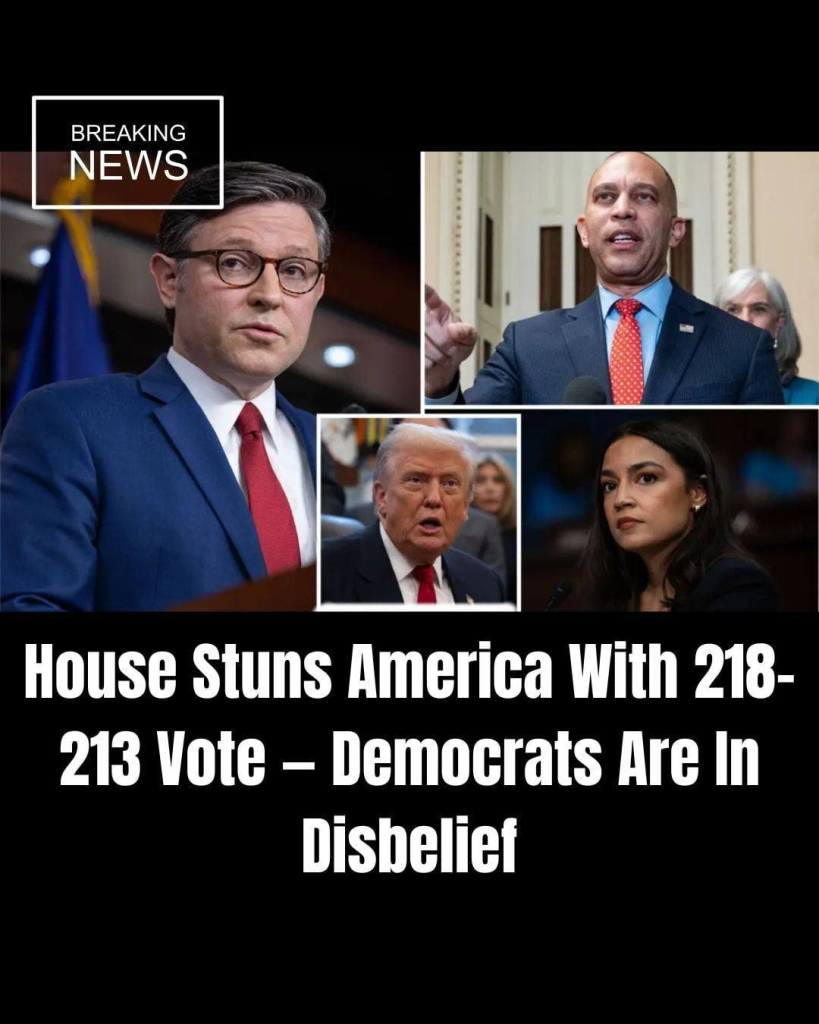
Debate is intensifying in Washington as lawmakers clash over the proposed SAVE America Act. Supporters and critics say the bill represents more than a routine policy discussion—it has become a broader test of public trust in government.
The proposal has drawn attention from major political figures, including Donald Trump, who has urged action on election security. At the same time, Senate leaders such as Chuck Schumer have warned that the legislation could have serious consequences for voter access.
Supporters argue that the measure reflects what many Americans already expect: clear verification that only citizens participate in federal elections. They say identification requirements are similar to everyday security checks used in travel or banking.
Polling on voter identification policies has shown broad public discussion across political lines. Many voters believe verifying eligibility strengthens confidence in election outcomes.
However, Democratic lawmakers and voting rights advocates raise different concerns. They argue that strict verification systems could mistakenly remove eligible voters from registration rolls.
Critics warn that administrative errors or documentation gaps could disproportionately affect communities that already face bureaucratic challenges when navigating government systems.
As the debate continues, both sides frame the issue as essential to protecting democracy. Supporters emphasize election integrity, while opponents focus on maintaining broad and fair voter participation.
With a potential Senate showdown approaching, the larger question remains unresolved: how to balance election security with access. The outcome could shape national conversations about voting rules and public confidence in elections for years to come.