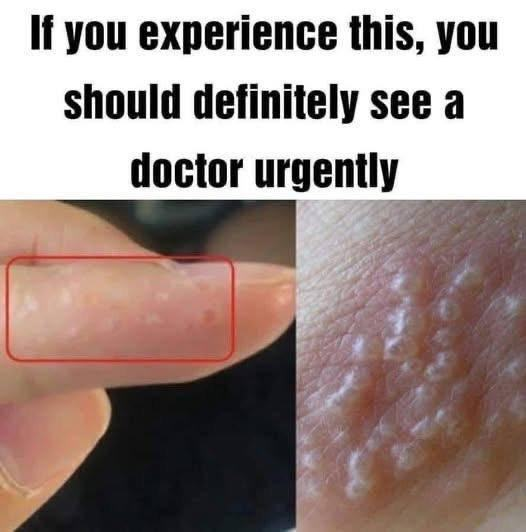
If you see these painful red bumps, you may have dyshidrotic eczema
ByJohn RevokeeMay 22, 2025
Understanding Dyshidrotic Eczema: A Springtime Skin Struggle
Dyshidrotic eczema, also known as pompholyx, is a recurring but manageable skin condition that typically flares up in the springtime. Characterized by small, intensely itchy blisters, dyshidrotic eczema can significantly affect daily life, especially when it impacts the hands and feet. Though it can be controlled with treatment, this condition remains incurable, requiring ongoing care and attention to triggers.
What is Eczema?
Eczema is a broad term that refers to a group of inflammatory skin diseases. The most common form is atopic dermatitis, but there are several types, each with unique symptoms and triggers. In the United States, an estimated 35 million people are affected by eczema, and surprisingly, 70% of those are children under the age of five. Though many children outgrow it, others continue to experience flare-ups throughout adulthood.
The hallmark symptoms of eczema include:
- Redness and inflammation
- Severe itching
- Swelling
- Dry or cracked skin
- Fluid-filled bumps that may ooze or crust over
Eczema is not contagious, but it can be genetically linked or triggered by environmental factors, such as allergens, irritants, stress, or weather changes.
What is Dyshidrotic Eczema?
Among the many types of eczema, dyshidrotic eczema is one of the most distinct. This condition causes small, deep-seated blisters that usually appear on the sides of the fingers, palms of the hands, and soles of the feet. These blisters are typically filled with a clear fluid and are often accompanied by a burning or itching sensation. In severe cases, the blisters may burst, leading to peeling, cracking, or painful sores.
Dyshidrotic eczema goes by several names depending on its location:
- Cheiropompholyx – when it affects the hands
- Podopompholyx – when it affects the feet
- Cheiropodopompholyx – when both the hands and feet are involved
Though more common in adults aged 20–40, dyshidrotic eczema can affect anyone. It’s more prevalent in people with allergies, asthma, or a family history of eczema or other atopic conditions.
What Triggers It?
The exact cause of dyshidrotic eczema remains unclear, but several triggers have been identified:
- Seasonal changes, particularly spring, when pollen and allergens are in full swing
- Excessive sweating or moisture on the hands or feet
- Contact with allergens or irritants, such as nickel, cobalt, or household cleaners
- Emotional stress
- Fungal infections
- Certain foods or environmental conditions
It’s important to note that while triggers vary by person, the condition is not caused by poor hygiene, nor can it be passed from one person to another.
Diagnosis and Treatment
A diagnosis is usually made through visual examination and a review of the patient’s medical history. In some cases, doctors may perform a skin scraping, patch testing for allergens, or even a biopsy to rule out other conditions.
While there is no known cure, dyshidrotic eczema is treatable with the following approaches:
- Topical corticosteroids to reduce inflammation and itching
- Cold compresses to soothe blisters
- Moisturizers and barrier creams to prevent dryness
- Antihistamines for itch relief
- Phototherapy (light therapy) in chronic cases
- Antibiotics or antifungals if secondary infections develop
- Avoidance of known triggers
It’s essential to not pop the blisters, as this can lead to infection or worsen the condition. Keeping the hands and feet dry, wearing gloves when cleaning, and using fragrance-free skincare products are also helpful in managing flare-ups.
Living with Dyshidrotic Eczema
Though chronic and often frustrating, dyshidrotic eczema is manageable with the right care plan. Understanding your personal triggers and sticking to a skincare routine can help minimize flare-ups and improve your quality of life. Support from dermatologists, allergists, or even mental health professionals may be necessary for long-term management.
Final Thoughts
Dyshidrotic eczema is more than just a seasonal skin issue—it’s a condition that requires attention, patience, and proper care. If you experience recurring itchy blisters on your hands or feet, especially in the spring, it’s worth speaking with a healthcare provider. With proactive management and awareness, those living with dyshidrotic eczema can lead comfortable, confident lives.