Limescale and stains on pans: how to remove them easily without detergent

Food scraps, grease, and burnt stains can make washing pots and pans frustrating. Fortunately, there are natural, inexpensive remedies that clean efficiently without excessive effort. Regular removal of residues, stains, and limescale is essential—not just for hygiene, but also to prolong the life of kitchen utensils. Leftover grime can harbor bacteria and make cleaning more difficult over time.

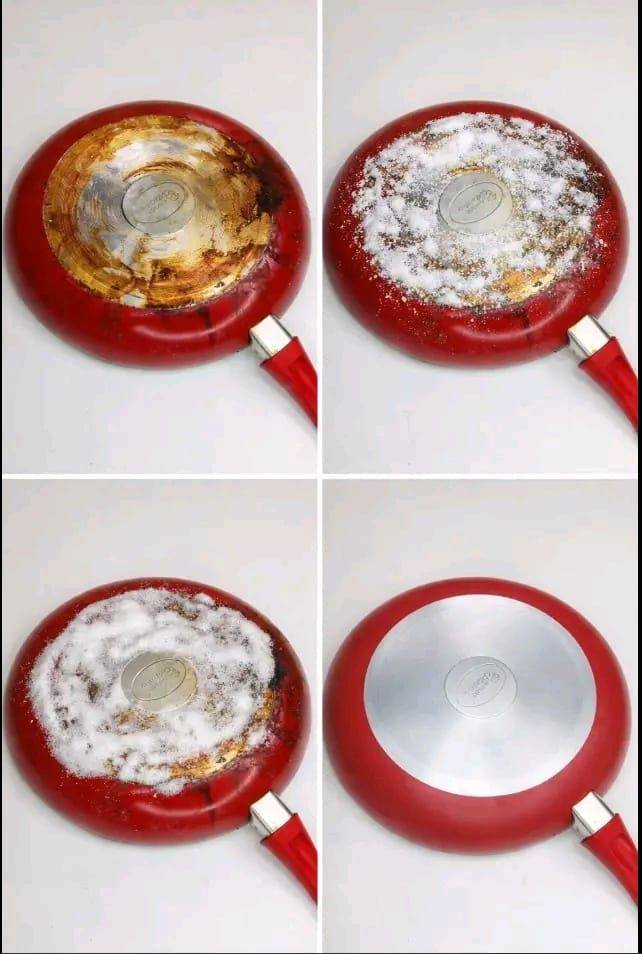
Baking soda and vinegar are classic degreasers. To remove limescale, pour vinegar into the pan and heat it. After removing it from heat, add two tablespoons of baking soda. Let the mixture sit for a few hours to work on hardened deposits. Once cooled, scrub gently with a soft, non-abrasive sponge. This method also works on burnt stains at the bottom of pans.

Citric acid is another effective option. Mix about 150 g of citric acid with one liter of hot water and fill the pan. Let it sit for a few hours or overnight, then scrub with a sponge. Be cautious: citric acid can damage natural stone or marble surfaces.

Lemon serves as a natural degreaser and adds a fresh scent. Pour water and lemon juice into the pan, or sprinkle coarse salt for extra scrubbing power. Boil the mixture, let it cool, and then clean with a sponge. Lemon zest can also enhance effectiveness.

Marseille soap is ideal for simple, fragrant cleaning. Fill a pan with water, add Marseille soap, and bring it to a boil. The combination of heat and soap dissolves grease and limescale. After cooling, scrub gently to remove any remaining dirt.

These home remedies are eco-friendly, safe, and effective, using ingredients you likely already have at home. They not only clean thoroughly but also prevent lingering odors, leaving your kitchen utensils fresh and ready for use.
Related Posts

Doctors Reveal What Really Happens When You Drink Coffee Every Morning Exploring the Surprising Truth About Its Effects on Hormones Heart Health Digestion and Sleep While Uncovering How Timing Caffeine Sensitivity and Add Ins Like Sugar or Cream Can Transform Your Daily Cup Into Either a Health Boost or a Hidden Disruptor

For millions of people, coffee is more than a drink—it’s a daily ritual that signals the start of the day and helps shift the mind into focus…

The Beetroot Upgrade: What Happens to Your Body When You Eat Beets, According to Doctors

Beets earn their superfood reputation because they contain natural nitrates that the body converts into nitric oxide. This helps relax blood vessels, improve circulation, and support the…

Only 1% Can Find the Fish!

Welcome to a fun visual puzzle designed to test your focus and attention to detail. At first glance, the image appears peaceful: a leopard is sleeping comfortably…

Why You Should Order Only Large Fries at McDonald’s

There is a familiar fast-food question: should you order small, medium, or large fries? A detailed study by The Food Theorists used digital scales to compare fry…

The Hidden Truth: Why Your Toilet Habits Are Costing You Thousands (And How to Fix It)

We rarely think about flushing the toilet—it’s automatic. But each flush uses 3 to 9 liters of clean, treated water, sending it straight into the sewer. In…

My Grandma Used To Add Pepper To Her Laundry. Here’s Why

If you ever watched your grandmother do laundry, you may remember a few simple tricks that seemed unusual but were passed down for generations. One of them…

Leave a Reply

Your email address will not be published. Required fields are marked *