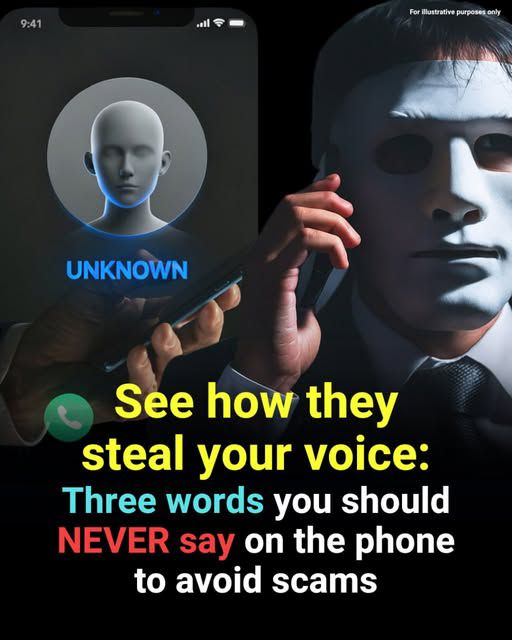
Artificial intelligence has advanced far beyond its original purpose of generating text or creating images; it now has the alarming capability to replicate human voices with startling accuracy. While this technology offers legitimate benefits in entertainment, accessibility, and communication, it also poses serious risks for scams and identity theft. Unlike traditional voice fraud, which required extensive recordings or prolonged interaction, modern AI voice cloning can recreate a near-perfect copy of someone’s voice from just a few seconds of audio. These brief clips are often captured casually during phone conversations, customer service calls, or voicemail greetings. This means that a simple utterance—“yes,” “hello,” or “uh-huh”—can be weaponized by malicious actors to impersonate individuals, authorize unauthorized transactions, or manipulate family and colleagues. The voice, once a deeply personal identifier carrying emotion and individuality, is now vulnerable to theft and exploitation.
Your voice is effectively a biometric marker, as unique and valuable as a fingerprint or iris scan. Advanced AI systems analyze subtle speech patterns—rhythm, intonation, pitch, inflection, and micro-pauses—to generate a digital model capable of mimicking you convincingly. With such a model, scammers can impersonate you to family, financial institutions, or automated systems that rely on voice recognition. They can call loved ones claiming distress, authorize payments through voice authentication, or create recordings that appear to provide consent for contracts or subscriptions. Even a single “yes” can be captured and used as fraudulent proof, a tactic known as the “yes trap.” These AI-generated voices are so convincing that victims often fail to detect the deception, and geographical distance is irrelevant, as digital replication can be transmitted globally.
Even casual words like “hello” or “uh-huh” can be exploited. Robocalls, often ignored as nuisances, may serve to capture brief audio samples, which are sufficient for cloning algorithms to build a voice model. AI can reproduce emotional nuance, pacing, and inflection, making impersonation difficult to detect. Simple precautions—avoiding automatic affirmations, confirming a caller’s identity, and refraining from unsolicited surveys—can protect both personal information and digital identity.
Modern AI makes these scams frighteningly credible. Algorithms can simulate urgency, calmness, or distress, compelling victims to act without suspicion. Scammers can now access sophisticated voice-cloning tools without technical expertise. Awareness is the first defense: understanding that your voice is a digital key encourages cautious phone habits and highlights the risks of casual utterances.
Protecting your voice requires vigilance. Never answer affirmatively to unknown callers, always verify identities, avoid unsolicited calls, and monitor accounts that use voice recognition. Reporting suspicious numbers and educating family members adds further protection. Treat your voice like a password or biometric identifier: essential to security and privacy. While AI will continue to improve, human vigilance remains a critical line of defense. With consistent precautions, your voice—once an intimate personal marker—can remain secure against unseen threats, safeguarding both your identity and your assets.