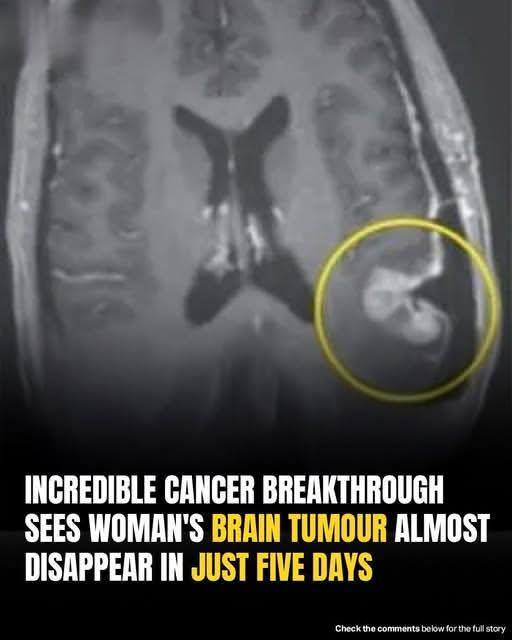
Glioblastoma, a fast-growing brain tumor from the glioma family, is one of the most aggressive cancers known in medicine. For decades, doctors have struggled to treat it effectively. Standard treatments—surgery, chemotherapy, and radiation—can slow the disease but rarely eliminate it completely.
Recently, a new approach using CAR-T cell therapy has shown surprising early results. In a small clinical trial in the United States, several patients with recurring glioblastoma experienced rapid tumor shrinkage just days after receiving the treatment, offering a new sense of hope for patients and researchers.
Glioblastoma, also known as Glioblastoma multiforme or GBM, begins in the brain’s glial cells, which normally support and protect neurons. Once cancerous, these cells grow quickly and spread into surrounding brain tissue, making complete surgical removal extremely difficult.
Symptoms can include persistent headaches, seizures, nausea, blurred vision, and memory or speech problems. Because these symptoms resemble other neurological conditions, diagnosis often occurs later in the disease. The National Cancer Institute notes that glioblastoma is the most common malignant brain tumor in adults.
Even with treatment, the prognosis is often poor. Patients usually undergo surgery followed by radiation and chemotherapy with drugs such as Temozolomide, but the average survival time after diagnosis is about 15 months.
CAR-T therapy works by collecting a patient’s immune T cells, modifying them in a laboratory to recognize cancer cells, and then returning them to the body. These engineered cells can seek out and destroy tumor cells more effectively.
Researchers at Mass General Cancer Center tested a new version of this therapy that combines CAR-T cells with special antibodies designed to target multiple tumor markers at once. Results were published in The New England Journal of Medicine.
Although tumors eventually began growing again in the study’s three patients, the rapid initial responses were remarkable. Scientists stress that the treatment is not yet a cure, but continued research could lead to more durable therapies and new strategies for treating glioblastoma and other cancers in the future.