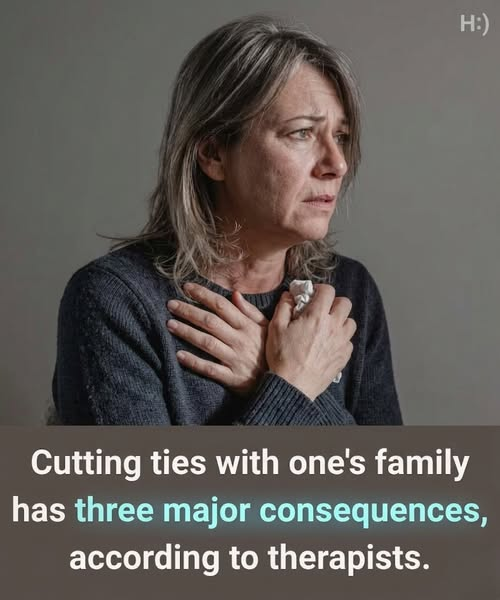
Leaving one’s family behind is rarely a simple or impulsive decision. In most cases, it follows years of emotional strain, repeated disagreements, or the gradual realization that certain relationships are harming one’s mental well-being. For many individuals, stepping away is not about anger or rejection but about protecting themselves. Creating distance allows people to regain personal space, establish boundaries, and reflect on their own needs.
One common reason people choose separation is self-preservation. When family interactions consistently lead to stress, anxiety, or emotional exhaustion, distancing can become a necessary step toward protecting mental health. By stepping back, individuals reduce ongoing tension and create an opportunity to reconnect with their own sense of identity and stability.
The emotional experience after leaving family is often complex. Many people feel relief because the daily conflicts or pressures that once weighed on them are no longer present. Life may feel calmer and more manageable, allowing space for healing and personal growth.
At the same time, feelings of sadness or grief frequently appear alongside that relief. Individuals may mourn not only the relationships that ended but also the ones they hoped could have existed. This mixture of freedom and loss creates an emotional balance that takes time to understand and process.
Social expectations can make the situation even more difficult. In many cultures, family bonds are viewed as unbreakable, and distancing from relatives may lead to judgment or misunderstanding. As a result, individuals may struggle with guilt or doubt even when they know their decision was necessary.
Over time, many people begin rebuilding their emotional support systems. Close friends, partners, mentors, and supportive communities can become a “chosen family.” Through reflection, self-care, and sometimes professional support, individuals can develop healthier relationships and create a life built on respect, understanding, and emotional well-being.