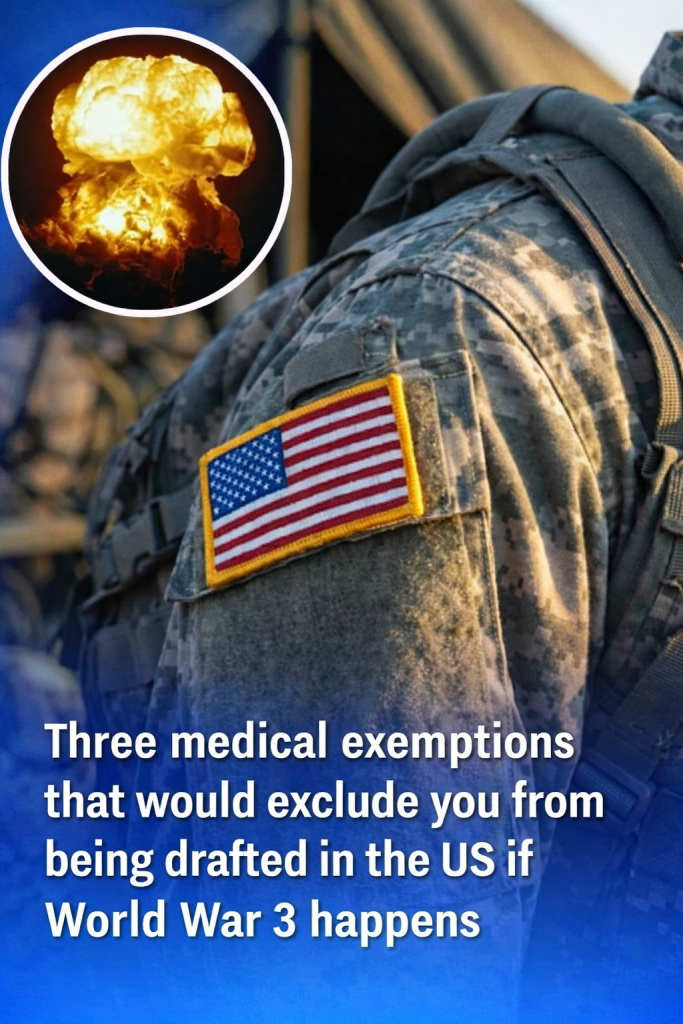
Whenever global tensions increase, public conversations often return to the topic of military service and the possibility of a draft. Although the United States ended mandatory military conscription in 1973, the Selective Service system still exists today. This means certain citizens are required to register so the government could quickly organize a draft if a national emergency ever required additional military personnel.
If a draft were reinstated, individuals would not automatically be sent into military service. Instead, they would go through a structured evaluation process designed to determine whether they meet the physical and mental standards required for military duties. These evaluations help ensure that those selected are capable of handling the demanding conditions associated with military training and operations.
One of the most important parts of this process is medical screening. Military service often involves strenuous physical activity, high levels of stress, and exposure to challenging environments. Because of this, the armed forces maintain strict health requirements to ensure that service members can perform their responsibilities safely and effectively.
Publicly available information about military health standards shows that several categories of medical conditions can affect eligibility. These may include certain neurological disorders, serious cardiovascular conditions, and specific mental health diagnoses. For example, seizure disorders, some heart problems, or severe psychiatric conditions may require detailed medical evaluation.
However, eligibility decisions are rarely based on a single factor. Military medical reviews typically examine an individual’s overall health, medical history, and current condition before determining whether they meet the required standards. In some cases, applicants may receive medical waivers depending on the circumstances.
Despite recurring public discussion about drafts during periods of international uncertainty, defense officials emphasize that the United States currently operates an all-volunteer military force. Any decision to reinstate a draft would require formal approval by the government and significant legislative action.