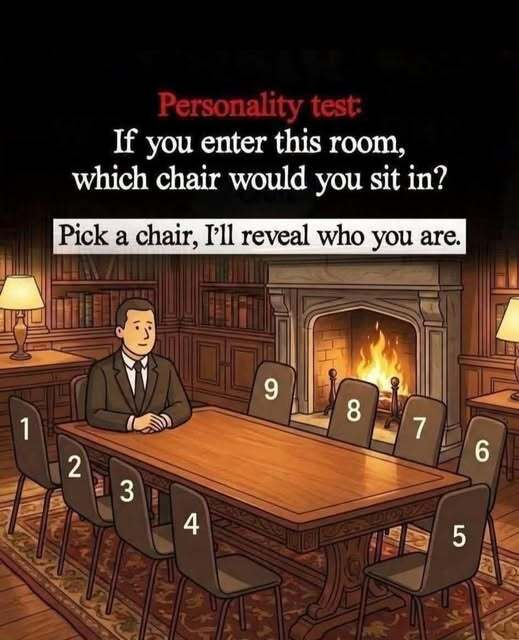
“Where will you sit?” At first, the question seems simple and practical, something a host asks while arranging chairs around the table. Yet if you think about it more carefully, the seat you choose can shape your entire experience. It determines who you talk to, what conversations you join, and sometimes even how you feel during the meal. Around a shared table, a seat becomes more than furniture—it becomes part of the story unfolding during the gathering.
Throughout history, shared meals have held deep social meaning. Long before modern dining rooms existed, people gathered around fires to eat together. Across cultures—from Italy and Morocco to Japan and Mexico—the table has always been a place for connection. It is where families share news, celebrate milestones, resolve disagreements, and create memories that last for years.
Certain seats around the table often carry symbolic roles. The head of the table traditionally belongs to the host or the eldest member of the family. From this position, the person often guides the rhythm of the meal, ensuring everyone feels welcome and that conversations flow naturally. It can be a seat of responsibility as much as comfort.
Seats in the middle often become the liveliest spots. People sitting there naturally connect conversations from both sides of the table. They might help introduce topics, encourage quieter guests to join in, or bridge the gap between generations during family gatherings. These seats often become the social heart of the table.
Meanwhile, the corner seat offers a different experience. From there, a person can quietly observe everything—the laughter, the gestures, the small acts of kindness like refilling a glass or passing a dish. Observers often notice emotional details others overlook, making their presence quietly valuable.
Ultimately, shared meals remind us that the true importance of a seat is not its position but the connection it creates. Whether at the head, the middle, or the corner, what matters most is the spirit you bring to the table—your openness, presence, and willingness to share the moment with others.