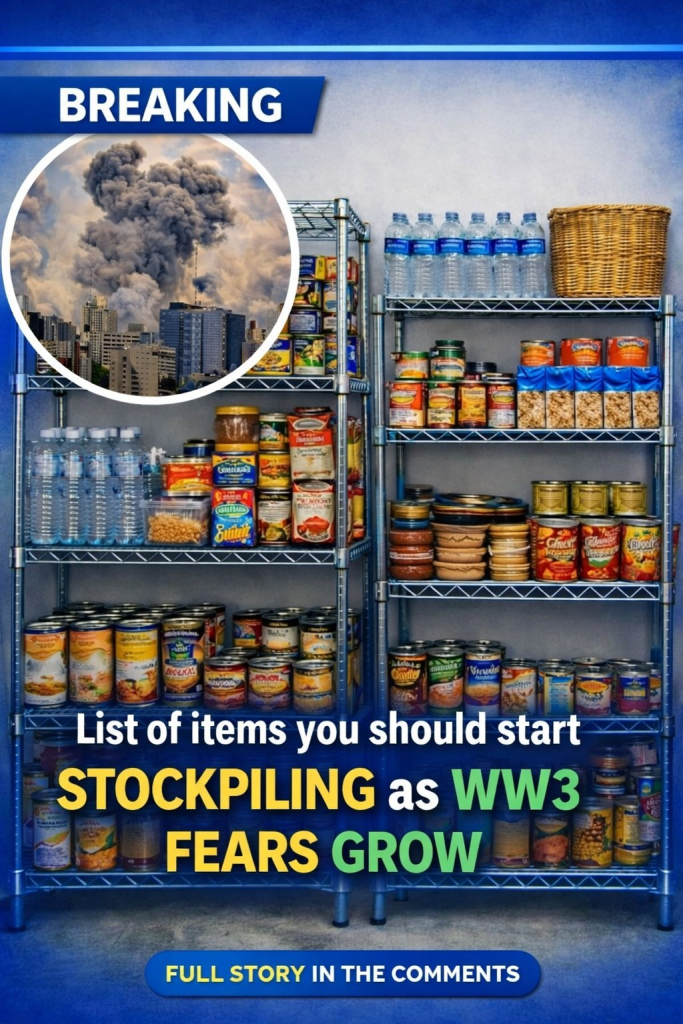
In recent days, alarming headlines about explosions, geopolitical tensions, and threats to infrastructure have reminded many people that the systems supporting modern life may be more fragile than they appear. Events that once seemed distant can quickly feel closer to home. When people begin asking what might happen if electricity fails, the internet disappears, or supply chains stop moving, preparedness suddenly becomes a practical topic rather than a distant idea.
Emergency planners have long recommended a simple guideline known as the “72-hour rule.” The concept suggests that every household should be able to function independently for at least three days if normal services are disrupted. This recommendation is based on decades of experience studying disasters such as hurricanes, earthquakes, and major power outages.
During the first seventy-two hours of a crisis, emergency services are often overwhelmed. Hospitals, fires, rescues, and infrastructure failures demand immediate attention. Roads may be blocked, communication systems overloaded, and supplies temporarily difficult to obtain. When households can support themselves during this period, emergency responders gain time to help those facing the most urgent dangers.
Modern life depends on interconnected systems that rely on each other to function smoothly. Electricity powers water treatment plants, communication networks rely on electricity, and transportation systems deliver food and fuel daily. When one system fails, others may quickly be affected. A power outage, for example, can disrupt water supply, traffic signals, and payment systems.
Experts recommend storing basic emergency supplies that support a household for several days. Clean drinking water is the most essential item. Non-perishable foods, flashlights, spare batteries, and a battery-powered radio can also provide safety and information when services are disrupted.
Preparedness does not mean expecting disaster. Instead, it reflects a practical understanding that unexpected events can occur. Simple preparations—like storing water, food, and emergency supplies—can help families remain calm and resilient during uncertain moments.