Chicken gizzards might just be one of the most overlooked yet nutritionally impressive foods in the modern grocery store.
While they’re often dismissed because they fall under the category of “offal,” that label says more about perception than about quality.
In reality, chicken gizzards are affordable, protein-rich, packed with essential nutrients, and deeply rooted in culinary traditions around the world.
If you’ve never given them a chance, you may be missing out on a versatile, budget-friendly source of high-quality nutrition.
Let’s take a deeper, fact-based look at what chicken gizzards are, what they offer nutritionally, how to cook them properly, and what considerations to keep in mind for balanced consumption.
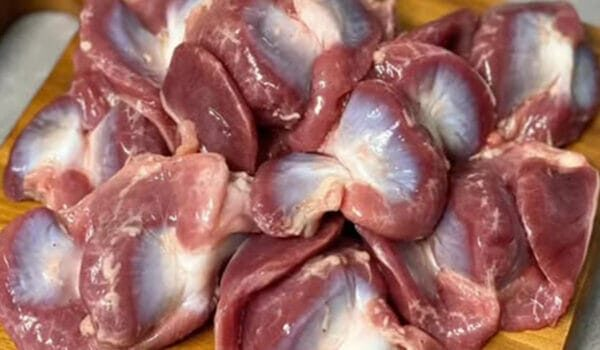
What Exactly Is a Chicken Gizzard?
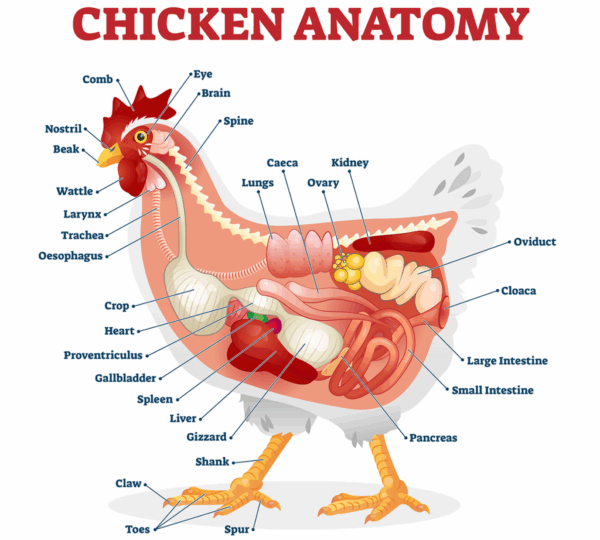
The gizzard is a muscular organ found in the digestive tract of birds, including chickens. Because birds do not have teeth, they cannot chew their food. Instead, food passes from the beak into a storage pouch called the crop, then moves into the gizzard.
The gizzard acts as a powerful mechanical grinder. Its thick, muscular walls contract to break down grains, seeds, and other foods into smaller particles, often with the help of tiny stones the bird swallows.
This process allows proper digestion before nutrients are absorbed further along the digestive system.
From a culinary perspective, the gizzard is a lean, dark piece of meat with a dense structure. When cooked properly, it becomes tender and flavorful. When cooked incorrectly, it can be tough. Technique makes all the difference.
Nutritional Profile of Chicken Gizzards
Chicken gizzards are surprisingly nutrient-dense. A standard 3-ounce (85-gram) cooked serving typically contains:
- Around 18–20 grams of protein
- Approximately 2–3 grams of total fat
- Less than 1 gram of saturated fat
- Around 80–100 calories
- Moderate cholesterol levels (similar to other lean meats)
They are also a strong source of several essential vitamins and minerals.
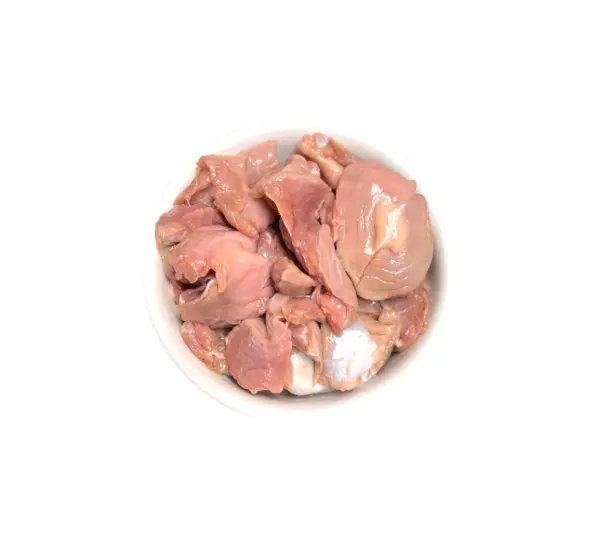
1. High-Quality Protein
Protein is essential for building and repairing tissues, maintaining muscle mass, producing enzymes and hormones, and supporting immune function.
The protein in chicken gizzards is complete, meaning it contains all nine essential amino acids the body cannot produce on its own.
For athletes, active individuals, or anyone focused on maintaining muscle mass while managing calorie intake, gizzards offer an efficient protein source without excess fat.
2. Low in Fat and Calories
Compared to many cuts of red meat, chicken gizzards are naturally lean. With only a small amount of total fat and minimal saturated fat per serving, they can fit well into balanced eating patterns focused on heart health and weight management.
However, preparation methods matter. Deep-frying will significantly increase calorie and fat content, while boiling, stewing, grilling, or sautéing with minimal oil preserves their lean profile.
3. Rich in Vitamin B12
Vitamin B12 plays a critical role in:
- Red blood cell formation
- Nervous system function
- DNA synthesis
- Energy metabolism
Because B12 is primarily found in animal products, organ meats like gizzards can help individuals meet daily requirements. Inadequate B12 intake can lead to fatigue and anemia over time.

4. Good Source of Niacin (Vitamin B3)
Niacin supports:
- Energy production
- Healthy skin
- Digestive system function
- Nervous system health
It also plays a role in cholesterol metabolism. Chicken gizzards contribute meaningfully to daily niacin needs.
5. Choline for Brain and Liver Health
Choline is an essential nutrient involved in:
- Brain development and function
- Liver health
- Cell membrane integrity
- Production of neurotransmitters
Many people do not consume enough choline. Organ meats, including gizzards, are naturally rich sources.
6. Iron for Oxygen Transport
Iron is necessary for hemoglobin production, which allows red blood cells to carry oxygen throughout the body. Iron deficiency can lead to anemia, fatigue, and reduced physical performance.
Chicken gizzards contain heme iron, the form found in animal foods, which is more readily absorbed by the body than plant-based iron.
7. Selenium and Zinc for Immune Support
Selenium functions as an antioxidant and supports thyroid health. Zinc contributes to:
- Immune response
- Wound healing
- DNA synthesis
- Cellular growth
Gizzards provide moderate amounts of both minerals, supporting overall health.
8. Additional Micronutrients
Chicken gizzards also contain:
- Riboflavin (Vitamin B2)
- Phosphorus
- Small amounts of magnesium
- Trace minerals such as copper and manganese
While they are not significant sources of vitamin C (animal meats generally contain very little), they contribute meaningfully to several B vitamins and essential minerals.
Affordability and Accessibility
One of the strongest arguments in favor of chicken gizzards is cost. As a less popular cut, they are often significantly cheaper per pound than chicken breast or beef.
In times when food prices fluctuate, gizzards remain one of the most affordable animal-based protein options available. This makes them especially valuable for:
- Families managing grocery budgets
- Students
- Meal preppers
- Anyone seeking cost-effective nutrition
Affordable nutrition does not have to mean sacrificing quality.
Global Culinary Traditions
Chicken gizzards are widely appreciated in many cultures:
- In the Philippines, Adobo often includes gizzards simmered in soy sauce, vinegar, and garlic.
- In the southern United States, fried gizzards are a popular comfort food and bar snack.
- In parts of Africa, stewed gizzards are served at celebrations.
- In Japan, grilled chicken gizzards (known as “sunagimo”) are a common yakitori item.
Their global presence highlights how cultural familiarity influences food perception. In many places, they are not considered unusual at all.
How to Cook Chicken Gizzards Properly
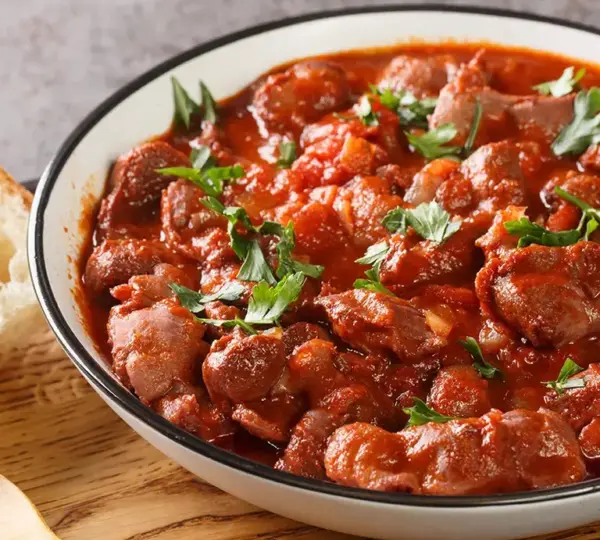
Because gizzards are muscular organs, they benefit from techniques that either tenderize them slowly or crisp them after pre-cooking.
1. Simmering or Boiling
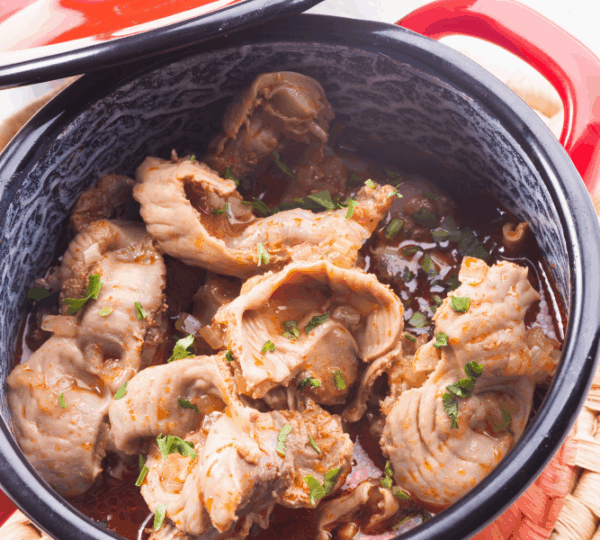
Place cleaned gizzards in a pot with water, salt, garlic, bay leaves, or herbs. Simmer gently for 30–45 minutes, or until fork-tender.
This step softens their dense texture and makes them ideal for:
- Soups
- Stews
- Casseroles
Low, steady heat is key.
2. Slow Cooking
A slow cooker can transform gizzards into extremely tender meat. Add broth, onions, carrots, celery, and herbs, then cook on low for several hours.
Extended cooking time allows connective tissue to break down naturally.
3. Sautéing or Stir-Frying
After boiling, slice the gizzards and sauté them with onions, peppers, and spices. This method preserves tenderness while adding texture and flavor.
Serve with rice, whole grains, or vegetables for a balanced meal.
4. Grilling
Marinating gizzards before grilling improves both tenderness and flavor. Acidic ingredients such as vinegar or lemon juice help soften the muscle fibers.
Grilling adds a smoky depth that complements their rich taste.
5. Deep-Frying (Occasional Treat)
Coating pre-boiled gizzards in seasoned flour and frying until golden produces a crispy exterior with a tender center. While delicious, this method increases calorie content and is best enjoyed in moderation.
Texture: The Main Adjustment
The primary barrier for new eaters is texture. Gizzards are naturally firm and chewy if undercooked. However, when simmered long enough, they become pleasantly tender with a satisfying bite.
For beginners, starting with stews or finely sliced stir-fries can make the experience more approachable.
Health Considerations
While chicken gizzards are nutritious, balance remains important.
Cholesterol
Like most animal-based foods, gizzards contain cholesterol. Current dietary guidelines suggest that moderate cholesterol intake can fit into a balanced diet for most healthy individuals.
However, people with specific medical conditions should consult healthcare professionals.
Purines and Gout
Organ meats contain purines, compounds that break down into uric acid. Elevated uric acid levels may trigger gout in susceptible individuals.
Those with gout or a history of high uric acid levels should limit intake of organ meats, including gizzards.
Saturated Fat
Chicken gizzards are relatively low in saturated fat compared to many red meats. They contain less than one gram of saturated fat per serving, making them compatible with heart-conscious dietary patterns when prepared without excessive added fats.
Antibiotics and Food Safety
Some poultry production systems use antibiotics to prevent disease. Overuse of antibiotics in agriculture has been associated with the development of antibiotic-resistant bacteria.
Choosing poultry labeled as organic or raised without antibiotics can reduce exposure to such practices. Regardless of sourcing, always:
- Cook gizzards to an internal temperature of 165°F (74°C)
- Avoid cross-contamination
- Refrigerate promptly
Proper handling ensures food safety.
Practical Meal Ideas
Here are balanced ways to include gizzards in your meals:
- Hearty Gizzard Soup: Combine with root vegetables, beans, and herbs.
- Spicy Stir-Fry: Toss sliced gizzards with garlic, ginger, and vegetables.
- Gizzard Tacos: Use tender, seasoned pieces with fresh salsa and lime.
- Protein-Packed Salad: Add sliced gizzards to leafy greens with a vinaigrette.
- Classic Stew: Slow-cook with tomatoes, onions, and aromatic spices.
These options highlight their versatility without excessive processing.
Why They Deserve More Recognition
Modern diets often favor boneless, skinless cuts while overlooking nutrient-rich organ meats. Yet historically, nose-to-tail eating was common practice.
Utilizing the whole animal reduces food waste and supports sustainable consumption habits.
Chicken gizzards provide:
- Complete protein
- Key B vitamins
- Iron and trace minerals
- Budget-friendly accessibility
- Culinary versatility
They are not a “miracle food,” but they are a highly practical and nutritious option when included thoughtfully in a varied diet.
