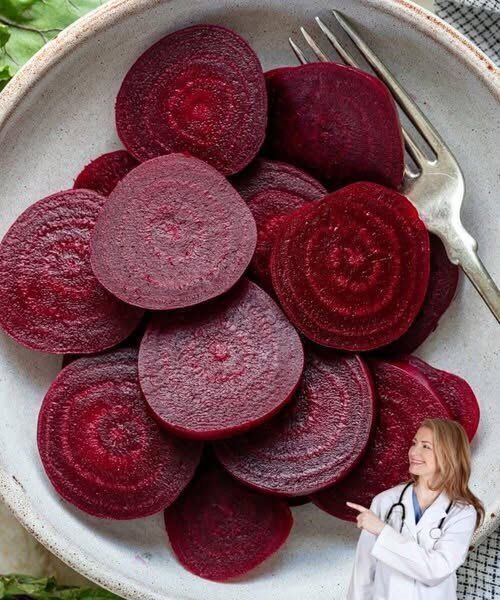
Beets earn their reputation as a superfood because of their powerful internal chemistry rather than trendiness. Their high natural nitrate content converts into nitric oxide in the body, relaxing and widening blood vessels. This enhances circulation, reduces strain on the heart, and improves oxygen delivery throughout the body. As a result, athletes may experience better endurance and recovery, older adults may notice clearer thinking, and everyday individuals may feel more energized.Alongside circulatory benefits, beets are rich in fiber, which supports digestion and metabolic stability. Fiber feeds beneficial gut bacteria, reduces inflammation, and moderates blood sugar spikes by slowing carbohydrate absorption. This makes beets helpful for those seeking steady energy, improved mood, and better blood sugar control. Their natural sweetness comes bundled with nutrients that quietly support overall well-being.
Beets also contain betalains—deep red and purple pigments known for anti-inflammatory and antioxidant effects. These compounds support the liver’s natural detoxification processes, offering gentle assistance rather than acting like harsh cleanses. This contributes to the common feeling of increased clarity and lightness associated with regular beet consumption.
Beyond these major benefits, beets supply essential vitamins and minerals such as folate, potassium, manganese, and iron. These nutrients collectively support cell repair, fluid balance, bone strength, metabolism, and oxygen transport. Their combined effects strengthen daily vitality in subtle but important ways.
However, beets are not miracle cures. They do not melt fat, cure disease, or produce instant changes. Beet juice, lacking fiber, can cause rapid blood sugar increases. Some people may experience harmless red urine, and those prone to kidney stones should be mindful of oxalates. Individuals on blood pressure medications should exercise caution with large amounts of beet juice due to its vessel-relaxing effects.
Ultimately, the real power of beets lies in consistent, balanced use rather than extreme diets or cleanses. Whether roasted, grated, blended, or added to salads, they contribute meaningfully to long-term health when made part of everyday meals. Their quiet effectiveness illustrates the true nature of good nutrition—steady, nourishing habits over time.