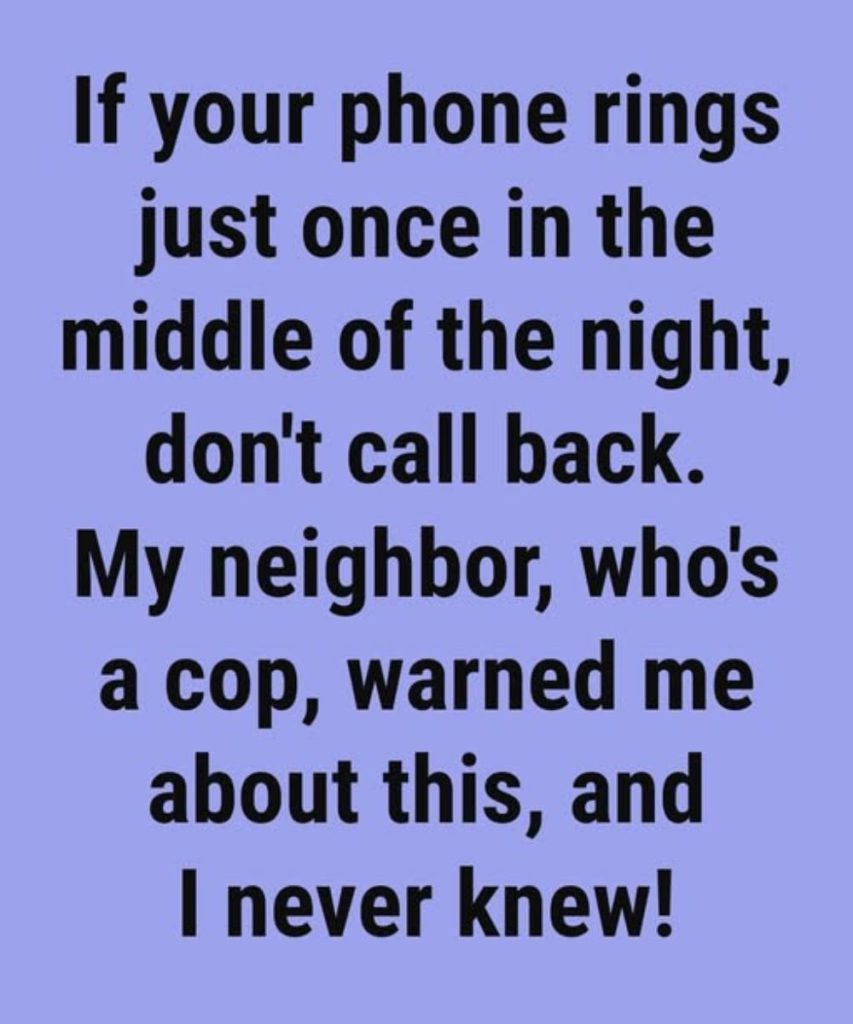
In a world where our phones seem to buzz nonstop, it’s tempting to respond to every call or message. But not all calls are harmless and many are carefully designed traps. Modern scammers rely on urgency, curiosity, and confusion. Understanding their tactics is the first step to protecting yourself.
1. Why You Should Never Call Back Unknown Numbers
A missed call or a strange number can spark instant curiosity. Scammers count on that reaction.
Today’s schemes are crafted to look routine—just an ordinary call or voicemail. But calling back can:
- trigger high international fees,
- reveal personal data,
- confirm that your number is active and can be targeted again,
- or record your voice for fraudulent use.
And with caller ID spoofing, scammers can easily imitate:
- real businesses,
- government agencies,
- or even local numbers.
This makes early caution more vital than ever.
2. The Power of Pausing Before You Respond
One of the best defenses is simply not reacting immediately.
Even if ignoring a call or message feels rude, remember:
- Legitimate callers will leave clear voicemails, emails, or send letters through official channels.
- Scammers rely on speed and panic to trick you.
A simple pause to check the number through:
- an official website,
- a customer-service line, or
- a trusted app
can save you from major headaches later.
3. If You Already Answered—Don’t Panic
Responding to a suspicious call doesn’t mean disaster. What matters is what you do next.
Protect yourself by:
- Monitoring your financial accounts
- Setting up alerts for unusual activity
- Using strong, unique passwords
- Enabling two-factor authentication
These steps make it far harder for anyone to misuse your information.
4. When to Contact Your Carrier or Bank
If something feels “off”—a strange charge, a weird voicemail, or a sudden surge of unknown calls—reach out immediately.
Your:
- phone carrier can block numbers and filter suspicious traffic
- bank can freeze accounts or investigate unusual activity
Early action prevents small issues from becoming big problems.
5. Healthy Skepticism Is a Modern Necessity
We live in a digital world where deception is easy. Being cautious isn’t paranoia—it’s smart, practical self-defense.
Choosing not to:
- answer unknown calls,
- reply to suspicious texts,
- or engage with strange voicemails
isn’t rude.
It’s protecting your privacy, your money, and your peace of mind.