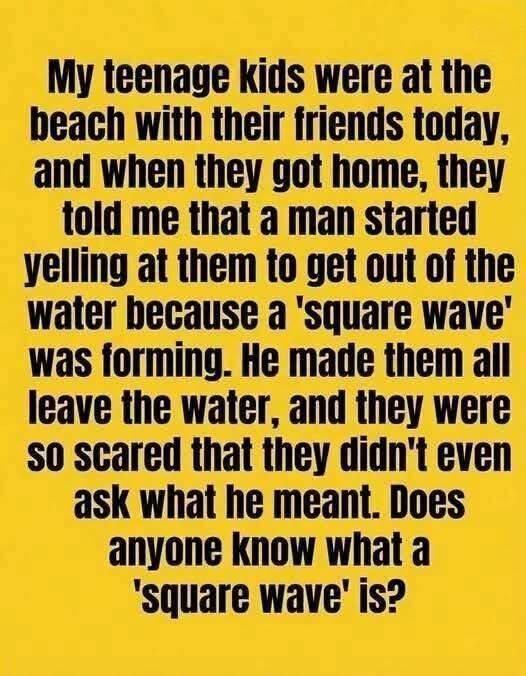
The ocean can look calm, beautiful, and inviting, yet its surface can sometimes hide conditions that are far more dangerous than they appear. One unusual phenomenon that captures attention is the formation of square waves, a strange grid-like pattern that can make the sea look almost as if it has been divided into perfectly arranged squares.
These patterns can form when two different wave systems travel across one another at significant angles. Instead of moving together in a single direction, the waves intersect and create a distinctive crosshatched appearance on the surface. From a distance, the result can look fascinating and almost unreal.
However, the unusual appearance is more than just a visual curiosity. Crossing wave systems can produce complicated and unpredictable water conditions, particularly for boats. Waves arriving from different directions can make navigation more difficult and create a rough, unstable sea even when the shoreline appears relatively peaceful.
The potential danger can also extend beneath the surface. Interacting waves may be accompanied by complex currents and changing water movement, making it harder for swimmers and divers to maintain their position. A person who sees only the unusual pattern from above may not realize how quickly conditions can become difficult to manage.
This is why unusual wave patterns should not automatically be treated as an invitation to enter the water. Photographs and videos can make square waves look fascinating, but they do not reveal the full strength or movement of the water. What appears beautiful from a safe distance may become dangerous once someone is caught in it.
The phenomenon is also a reminder that the ocean does not always provide obvious warnings. Strong currents, changing tides, offshore winds, and interacting waves can create hazards that are difficult to judge simply by looking at the surface. Even experienced swimmers and boaters need to respect changing conditions.
If you encounter unusual wave patterns, the safest response is to observe them from a secure location and follow local warnings or advice from lifeguards and maritime authorities. There is no reason to risk entering unpredictable water simply to experience the phenomenon up close.
Square waves demonstrate one of nature’s most striking contradictions: something can be beautiful and dangerous at the same time. The unusual pattern may look like a perfect design painted across the ocean, but it can also signal complicated water movement. Sometimes the smartest way to appreciate nature’s beauty is to admire it from a safe distance.