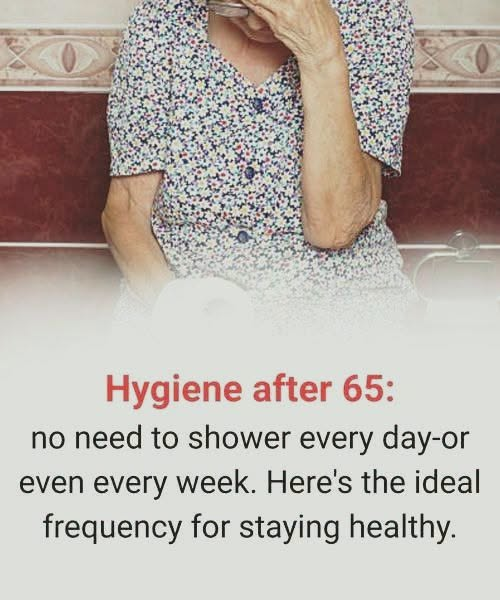
For many generations, daily showering has been widely promoted as a basic standard of personal hygiene. Most people grow up believing that bathing every day is necessary to stay clean, fresh, and healthy. This habit becomes so deeply ingrained that skipping a shower can often make people feel uncomfortable or unclean, even when it is not medically necessary. However, as the body ages—especially after the age of 65—experts in dermatology and geriatric care suggest that personal hygiene routines may need to be adjusted.
While cleanliness remains important at every stage of life, research and clinical experience indicate that frequent showering may not always be ideal for older adults due to changes in skin structure, mobility, and overall health needs. How Aging Changes the Skin. One of the most important factors behind this recommendation is the natural aging process of the skin.
As people grow older, the skin gradually becomes thinner, drier, and more fragile. This is a normal biological change that affects almost everyone over time. After around the age of 60, the body produces less sebum, which is the natural oil that helps keep skin moisturized and protected. At the same time, the skin barrier weakens, meaning it becomes less effective at holding in moisture and defending against environmental irritants and bacteria.

Because of these changes, older skin is more sensitive to external factors such as heat, soaps, and friction. What may have been harmless in younger years can become irritating or damaging later in life.
How Daily Showering Can Affect Older Skin
Daily showers, especially those taken with hot water or strong soaps, can remove the natural oils that remain on the skin. While this may feel refreshing in the short term, repeated washing can gradually lead to dryness and irritation.
Many dermatologists note that excessive cleansing may cause symptoms such as itching, tightness, redness, or flaking in older adults. Over time, very dry skin may develop small cracks that are not always visible but can increase vulnerability to irritation or infection.
It is also important to understand that the skin naturally hosts a large number of beneficial bacteria. These microorganisms form part of the skin’s protective ecosystem and help prevent harmful bacteria from taking over.
Frequent washing, especially with antibacterial or heavily fragranced soaps, may disturb this natural balance. When the skin’s microbiome is disrupted, it can become more sensitive and prone to conditions such as rashes, dryness, or mild inflammation.
Hygiene, Balance, and Medical Perspective
Modern dermatology does not suggest avoiding bathing altogether. Instead, it emphasizes balance and moderation. For many healthy older adults, medical experts often recommend reducing shower frequency rather than eliminating it.
In general, some geriatric specialists suggest that two to three showers per week may be sufficient for many people over 65, depending on lifestyle, activity level, and personal health conditions. However, this is not a strict rule, and individual needs may vary.
Additional washing may still be necessary after physical activity, sweating, medical situations, or conditions that require more frequent hygiene care. The key idea is that hygiene routines should match the body’s actual needs rather than follow a fixed daily habit.
Safety Concerns During Bathing
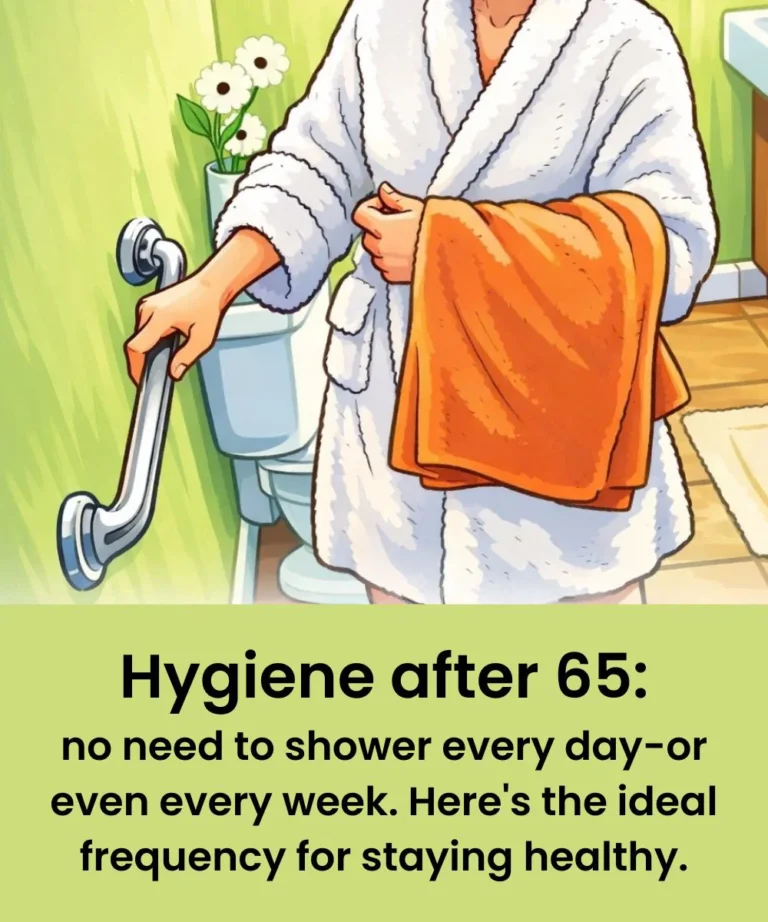
Beyond skin health, showering also involves physical safety considerations for older adults. A shower requires balance, coordination, and mobility—all of which may naturally decline with age.
Standing in a wet environment, stepping over a bathtub edge, or bending to wash different parts of the body can increase the risk of slipping or falling. Conditions such as arthritis, dizziness, low blood pressure, or muscle weakness can further increase this risk.
Falls are a significant health concern among older populations and can sometimes lead to serious injuries. Because of this, reducing unnecessary exposure to slippery environments is often considered an important part of home safety planning for seniors.
Alternatives to Daily Full Showers
Experts often suggest that full-body showers are not the only way to maintain hygiene. On non-shower days, many older adults can stay clean and comfortable through simpler daily routines.
Washing key areas such as the face, hands, underarms, and intimate regions with a warm washcloth can be enough to maintain freshness. Changing into clean clothing and maintaining regular hand hygiene also plays an important role in overall cleanliness.
These practices help reduce bacteria buildup while also protecting the skin from unnecessary dryness caused by frequent exposure to water and soap.
Choosing the Right Shower Routine
When older adults do shower, the method can be just as important as the frequency. Hot water, while relaxing, can strip the skin of its natural oils more quickly. For this reason, lukewarm water is generally considered a better option for maintaining skin health.
Mild, fragrance-free soaps or gentle cleansers are often recommended because they are less likely to irritate sensitive skin. Strong antibacterial soaps or heavily scented products may increase dryness or disrupt the skin’s natural barrier.
Another important step is moisturizing. Applying a moisturizer immediately after bathing—while the skin is still slightly damp—can help lock in hydration and reduce dryness. This simple habit is widely recommended by dermatologists for maintaining skin comfort in older adults.
Individual Needs Matter Most
There is no single bathing routine that applies to everyone over the age of 65. Some individuals may feel comfortable and healthy showering more frequently, while others may notice improved skin condition when they reduce frequency.
Health status, climate, activity level, and personal preference all play a role in determining the best routine. For this reason, experts often encourage older adults to observe how their skin responds rather than strictly following a fixed rule.
If daily showers consistently cause dryness, itching, or irritation, it may be a sign that adjustments are needed. On the other hand, if no issues occur, more frequent bathing may still be appropriate.
Rethinking Long-Held Habits
Ultimately, personal hygiene should support health and comfort rather than work against it. As the body changes with age, routines that once felt essential may need to be adjusted to better suit new physical needs.
For many adults over 65, reducing shower frequency, using gentler products, and focusing on skin hydration can help maintain both cleanliness and skin health. At the same time, simple daily hygiene practices can ensure freshness without over-drying the skin.
Sometimes, maintaining good health is not about adding more routines—but about recognizing when long-standing habits should be adapted to better support the body’s natural changes over time.