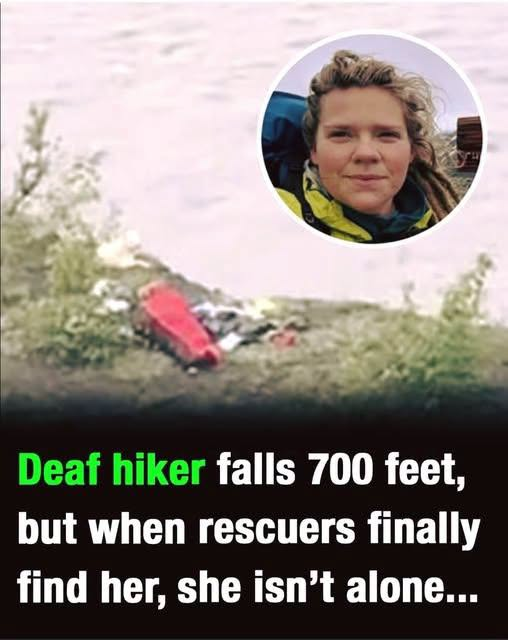
Young adulthood is often a time for discovery, independence, and testing personal limits. Many people choose to travel, explore new cultures, or challenge themselves through outdoor adventures. For some, these experiences take place in familiar environments, while for others, they unfold in remote and extreme landscapes. One such story involves Amelia Milling, a young adventurer who set out alone into the wilderness of Alaska in search of a challenging hiking experience.
At just twenty-one years old, Amelia, who is deaf, was already used to overcoming obstacles in her daily life. Rather than allowing her condition to limit her ambitions, she embraced outdoor activities and adventure. Motivated by a strong sense of independence, she decided to embark on a multi-day hiking trip in Alaska. The journey was meant to be both a personal challenge and an opportunity to experience the natural beauty of one of the most remote regions in the United States.
At first, the hike went as planned. The scenery was breathtaking, and the trail offered a sense of peace and isolation that many hikers seek. However, conditions in the Alaskan wilderness can change quickly, and even experienced hikers can find themselves in danger. During her journey, Amelia lost her footing on steep, snow-covered terrain. What followed was a serious accident in which she slid a significant distance down the mountainside, leaving her injured, disoriented, and alone in a remote area.
Despite the severity of the fall, she survived without broken bones, which was an unexpected relief in such a dangerous environment. However, survival in the wilderness involves more than physical injury. Amelia soon realized that she was lost, unable to clearly identify her location or easily find her way back to the trail. The cold temperatures, isolation, and passing time added to the urgency of her situation, making it increasingly difficult to remain calm and focused.
As hours passed and conditions grew more challenging, Amelia faced the reality that she might need assistance to survive. Being alone in such a vast and unfamiliar environment is mentally and physically exhausting, especially when communication and visibility are limited. In situations like this, even small signs of help can make a significant difference.
It was during this critical moment that something unusual occurred. In the distance, Amelia noticed what appeared to be a white animal moving through the snowy landscape. At first, she was uncertain and cautious, as encountering wildlife in the Alaskan wilderness can be unpredictable. As the animal approached, she realized it was a husky wearing a collar, rather than a wild predator.
This dog, later identified as Nanook, was not an ordinary animal wandering the mountains. According to accounts, Nanook was known in the area as a trail and guide dog that had assisted hikers on multiple occasions. His presence in the wilderness appeared to be purposeful, as if he was familiar with helping lost or struggling individuals find their way back to safety.
Nanook’s arrival marked a turning point in Amelia’s situation. The dog stayed close to her, providing a sense of companionship in an otherwise isolating environment. As night fell, he remained near her, which helped reduce the fear and uncertainty of being completely alone in the wilderness. In survival situations, even the presence of an animal can provide psychological comfort and stability.
At one point during her attempt to continue moving, Amelia encountered another dangerous situation when crossing cold, fast-moving water. The strong current made it extremely difficult to maintain balance, and she struggled against the freezing conditions. In this moment, Nanook reportedly played a crucial role by staying nearby and assisting her movement, helping her avoid being swept further into the water.
Recognizing the seriousness of her condition and the need for immediate rescue, Amelia activated a GPS emergency transmitter. This device sent a distress signal that allowed local rescue teams to determine her approximate location. In remote regions like Alaska, such emergency tools are often essential for survival, as they provide a direct link to search and rescue services.
After receiving the signal, rescue teams coordinated a response that included a helicopter search. Alaska State Troopers and rescue personnel were deployed to locate Amelia and bring her to safety. Once she was found, she was airlifted out of the wilderness and taken to a safer location where she could receive assistance and medical evaluation.
Reports of the rescue highlight that the situation had ended successfully, with Amelia surviving the ordeal thanks to a combination of resilience, emergency technology, and timely rescue efforts. Throughout the experience, Nanook’s presence remained a memorable part of her story, and she later expressed gratitude toward the dog that had stayed by her side during such a difficult time.
In many retellings of this event, Nanook is described as a heroic trail dog that had previously assisted other hikers in distress. While details about his full history vary depending on the source, the consistent theme in these accounts is the idea of a trained or familiar guide dog who played a supportive role during wilderness emergencies.
Stories like this often highlight the unpredictability of nature and the importance of preparation when engaging in outdoor adventures. They also emphasize how critical emergency equipment, awareness, and quick rescue response can be in life-threatening situations. Whether traveling alone or in groups, hikers in remote regions must always consider the risks involved in extreme environments.
Ultimately, Amelia Milling’s experience in Alaska serves as a powerful reminder of both the beauty and danger of wilderness exploration. It also reflects the resilience of individuals who challenge themselves in difficult environments and the importance of timely assistance when things go wrong.
The story has been widely shared online as an inspiring survival account, often focusing on the unexpected companionship she received during her ordeal. Regardless of variations in retellings, the central message remains one of endurance, courage, and survival in one of the most demanding natural landscapes in the world.