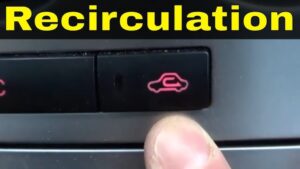
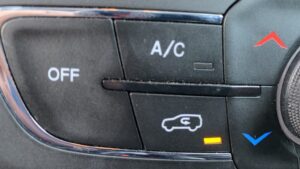
Many drivers notice a small but important symbol on their vehicle’s dashboard showing a car with a circular arrow inside it, yet very few fully understand what this feature actually does. This icon represents the air recirculation system, a function designed to control how air flows inside the vehicle’s cabin. Although it may seem minor at first glance, this system plays a significant role in improving comfort, air quality, and the efficiency of the car’s climate control system when used correctly in different driving conditions.
To understand how this feature works, it is important to know the difference between fresh air mode and recirculated air mode. When the recirculation system is turned off, the vehicle continuously draws air from outside. This air is filtered, heated, or cooled depending on the climate settings, and then released into the cabin. This process helps maintain a steady supply of fresh air, but it requires the climate system to work harder because it constantly adjusts the temperature of incoming outside air.

When air recirculation is activated, the system changes its operation. A small internal valve closes the external air intake, and instead of bringing in outside air, the system reuses the air already inside the cabin. This closed-loop system allows the car to cool or heat the same air repeatedly. As a result, the desired temperature is often reached more quickly, especially when the difference between outside and inside temperatures is significant.
This feature is particularly useful in hot weather conditions. When the cabin is extremely warm, recirculating already-cooled air helps the air conditioning system bring the temperature down faster and more efficiently. Because the system is not constantly cooling hot outside air, it may also reduce strain on the compressor and potentially improve overall energy efficiency in certain driving situations.
Air recirculation is also beneficial in heavy traffic environments or when driving behind other vehicles that emit exhaust fumes. In situations such as tunnels, construction zones, or dusty roads, it helps reduce the amount of pollutants, smoke, and unpleasant odors entering the cabin. This creates a cleaner and more comfortable driving environment, especially in urban areas where air quality may fluctuate.
For individuals who suffer from allergies, this feature can also provide additional relief. By limiting the amount of outside air entering the vehicle, it reduces exposure to pollen, dust, and other airborne irritants. However, the effectiveness of this depends on a properly functioning cabin air filter, which plays a key role in trapping small particles before air circulates inside the car.
Despite its advantages, continuous use of air recirculation is not recommended in all situations. In cold or humid weather conditions, keeping the system on for too long can lead to moisture buildup inside the cabin. This may result in fogged windows, which can reduce visibility and make driving less safe. For this reason, drivers are generally advised to switch between recirculated air and fresh air modes depending on weather conditions and driving environment.
On long journeys, using recirculation exclusively may also lead to a less comfortable cabin atmosphere over time. Since the same air is continuously reused, it can become stale, which may contribute to discomfort or reduced alertness during extended driving periods. Periodically switching back to fresh air mode helps maintain better air circulation and overall comfort inside the vehicle.
Another important aspect of maintaining good air quality inside a car is regular replacement of the cabin air filter. Most manufacturers recommend changing this filter approximately every 12,000 to 15,000 miles, although this interval can vary depending on driving conditions and vehicle type. A clean filter ensures that both fresh and recirculated air are properly filtered, improving airflow and overall cabin air quality.
Understanding how and when to use the air recirculation system allows drivers to make better use of their vehicle’s climate control features. In the right conditions, it can improve cooling efficiency, reduce exposure to pollution, and enhance overall comfort inside the cabin. However, like any feature, it works best when used appropriately rather than continuously.
Ultimately, this small dashboard button represents a simple but effective tool that contributes to a better driving experience. By learning its function and applying it correctly, drivers can create a safer, cleaner, and more comfortable environment inside their vehicle throughout the year, regardless of weather or traffic conditions.