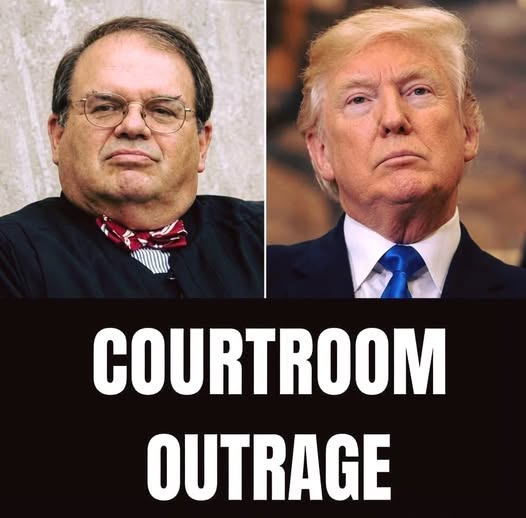
A federal appeals court issued a 2–1 decision on Monday addressing a policy associated with restrictions on transgender individuals serving in the United States military. The ruling found that parts of the policy were unlawful and raised serious constitutional concerns regarding how the policy was structured and applied. The majority opinion concluded that certain aspects of the policy could not be justified under constitutional standards.
In its analysis, the court stated that the record suggested the policy went beyond basic eligibility determinations and instead appeared to target individuals based on their gender identity. The judges further examined whether the policy aligned with established legal principles governing equal treatment under the law. According to the decision, some of the restrictions lacked sufficient explanation or clear justification in the administrative record. The court emphasized that government policies affecting service eligibility must be supported by reasoned decision-making and consistent with constitutional protections.
Court’s Findings and Legal Reasoning
In its written opinion, the court reviewed the government’s stated rationale for the policy and assessed whether it met legal requirements under constitutional scrutiny. The majority found that parts of the policy raised concerns about whether it was based on legitimate administrative objectives or whether it improperly singled out a specific group.
The decision referenced language in the policy and supporting materials that, in the court’s view, required closer legal examination. The judges noted that policies affecting military eligibility must be evaluated carefully, particularly when they involve classifications that can impact individuals’ ability to serve.
The court also highlighted that some provisions of the policy appeared broadly written and not clearly connected to individualized assessments. As a result, the majority concluded that certain restrictions were not sufficiently supported by evidence or policy justification in the administrative record.
Dissenting Opinion and Ongoing Legal Debate
The ruling was not unanimous, as one judge dissented from the majority opinion. The dissenting view argued for greater deference to the executive branch in matters of military readiness and personnel policy. It emphasized the traditional authority of military leadership and the government’s discretion in determining standards for service eligibility.
This difference in interpretation reflects a broader ongoing legal debate in the United States regarding the balance between equal protection principles and the government’s authority to set military standards. Courts have historically recognized both the need for judicial oversight and the importance of allowing military institutions flexibility in personnel decisions.
Because of this division within the court, the legal issue remains subject to further review and potential additional litigation.
Status of Military Policy and Enforcement
While the appeals court struck down portions of the policy in its reasoning, it also left certain aspects in place pending further legal proceedings. As a result, parts of the policy regarding enlistment standards and service eligibility remain in effect for now.
This means that, at least in the short term, the operational status of military recruitment and eligibility rules has not been fully changed. The legal process may continue through additional appeals or potential review by higher courts.
The ruling does not immediately resolve the broader policy debate but instead contributes to ongoing judicial interpretation of how such rules should be evaluated under constitutional law.
Broader Context of Military Service Standards
Military service in the United States is governed by a complex set of physical, medical, and administrative standards designed to ensure readiness and operational effectiveness. These standards are periodically reviewed and updated based on policy changes, medical research, and defense needs.
Legal challenges involving eligibility criteria are not uncommon and often involve questions about how the government defines fitness for service and how those standards are applied across different groups. Courts typically assess whether such policies are based on legitimate government interests and whether they are applied in a consistent and non-arbitrary manner.
The current case fits within this broader legal framework, where courts are tasked with evaluating the constitutionality of administrative decisions affecting military personnel policies.
Continuing Legal and Political Discussion
The decision is likely to remain part of an ongoing national discussion regarding military service eligibility and equal protection under the law. Legal experts often note that cases involving military policy require careful balancing between constitutional rights and national security considerations.
As the case proceeds, further legal arguments may be presented in higher courts, which could ultimately provide additional clarification on the limits of executive authority in shaping military personnel rules.
For now, the ruling represents one step in a longer judicial process that continues to define how federal policies affecting service eligibility are reviewed under constitutional standards.