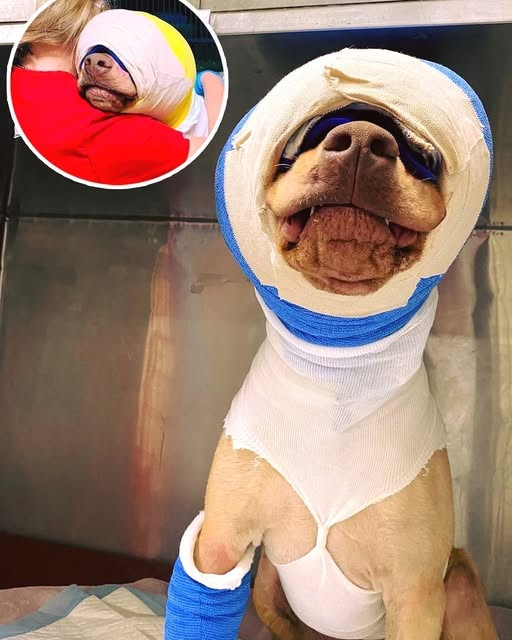
Animal cruelty cases often leave a deep emotional impact, especially when they involve innocent pets who have suffered severe and unnecessary harm. These stories highlight both the worst and the best aspects of humanity—cruelty that causes unimaginable pain, and compassion that helps bring healing and hope. One such case that drew widespread attention involved a dog named Buddy, whose story became known after a tragic and violent incident left him with life-threatening injuries.
According to reports shared in 2021, Buddy was described by the Tunica Humane Society as a friendly and gentle dog who had never shown aggression or posed any danger to anyone. Despite this, he became the victim of a horrific act in which he suffered severe burns to his face. He was discovered in critical condition, with extensive damage requiring immediate medical attention. In addition to his burns, he was also found with an extension cord around his neck, further emphasizing the seriousness of the situation.
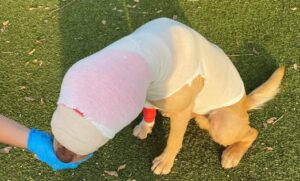
Investigations later indicated that a child under the age of 12 was responsible for the incident. Because of their age, legal prosecution was not possible under the law. The case sparked widespread discussion about animal protection, accountability, and the importance of early education on empathy and responsible behavior toward animals. While legal outcomes were limited, the focus quickly shifted toward saving Buddy’s life and beginning his long recovery.
Buddy was placed under the care of the Tunica Humane Society in Mississippi, where veterinarians and specialists immediately began treatment. He also received advanced medical support from the Mississippi State University College of Veterinary Medicine, where a team of professionals worked to stabilize his condition. His treatment involved wound care, pain management, and continuous monitoring, as burn injuries require careful and prolonged attention.
Medical experts explained that burn recovery is a slow and complex process, often requiring multiple stages of treatment. In Buddy’s case, veterinarians emphasized that the early stages of recovery were critical and uncertain. Despite the severity of his injuries, his vital signs remained stable, which provided some hope for his survival. His caregivers focused on keeping him comfortable while addressing complications as they arose.
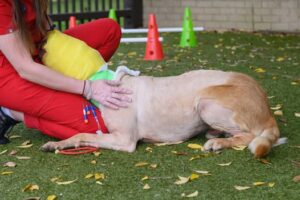
One of the most encouraging aspects of Buddy’s condition was that his eyesight appeared to be intact despite the damage to his face. Although his eyelids and surrounding tissue were severely affected, veterinarians believed that surgical intervention could help preserve his vision. This possibility became a key part of his long-term treatment plan, giving his caregivers and supporters hope for a better outcome.
Over time, Buddy began to show signs of resilience. The Humane Society regularly updated the public on his progress, noting that he was responding well to treatment and gradually improving. His bandages required frequent changes, and his skin graft procedures showed positive results. Although his recovery was slow, each small improvement was seen as an important step forward in his healing journey.
As weeks turned into months, Buddy’s condition steadily improved. Reports from his caregivers indicated that he began regaining strength and mobility, and his overall behavior started to reflect a more positive and active demeanor. With reduced discomfort, he was able to move more freely, interact with his environment, and show signs of his natural personality returning.
A major milestone in Buddy’s recovery came when his bandages were eventually removed enough for him to begin experiencing light and visual awareness again. For the first time in a long period of treatment, he was able to see without heavy sedation. This moment was described as a turning point in his recovery, marking the beginning of a new phase in his healing process.
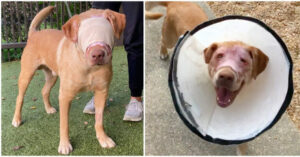
Veterinary staff and caregivers noted that Buddy’s emotional state improved significantly once he regained partial vision. He became more playful, responsive, and engaged with his surroundings. Simple behaviors such as playing with toys and walking through the facility reflected a noticeable shift in his mood and quality of life. These changes were seen as a strong indication of both physical and emotional recovery.
Despite the progress, veterinarians made it clear that Buddy would continue to require long-term care. His injuries were severe enough that he would need ongoing medical attention, including skin sensitivity management, eye care, and protection from sunlight. Specialists explained that his condition would require lifelong adjustments to ensure his comfort and safety.
Caregivers also emphasized that Buddy’s recovery was not only a medical process but also an emotional one. Rehabilitation included helping him regain trust, confidence, and a sense of normal daily life. His ability to interact, play, and respond positively to human attention was seen as an important part of his overall healing journey.
Public response to Buddy’s story was widespread, with many people expressing sympathy, support, and concern for his recovery. The case also sparked conversations about animal welfare laws and the importance of prevention and education to avoid similar incidents in the future. Many supporters followed his progress closely, hoping for positive updates from his care team.
Over time, Buddy’s improvement continued, and updates from the Tunica Humane Society reflected ongoing progress. His caregivers described moments where his personality began to reappear, showing signs of joy and comfort despite the trauma he had experienced. These developments were considered significant victories in a long and challenging recovery process.
Buddy’s story ultimately became a symbol of resilience and recovery in the face of extreme suffering. While the injuries he sustained had lasting effects, the dedication of veterinary professionals and animal welfare workers played a crucial role in giving him a second chance at life. His journey highlights both the importance of compassion and the impact that medical care and human kindness can have on vulnerable animals.
Today, Buddy’s case continues to be remembered as an example of survival against the odds. Although he will require lifelong care and monitoring, his progress demonstrates that even in the most severe circumstances, recovery is possible with proper treatment, patience, and support.