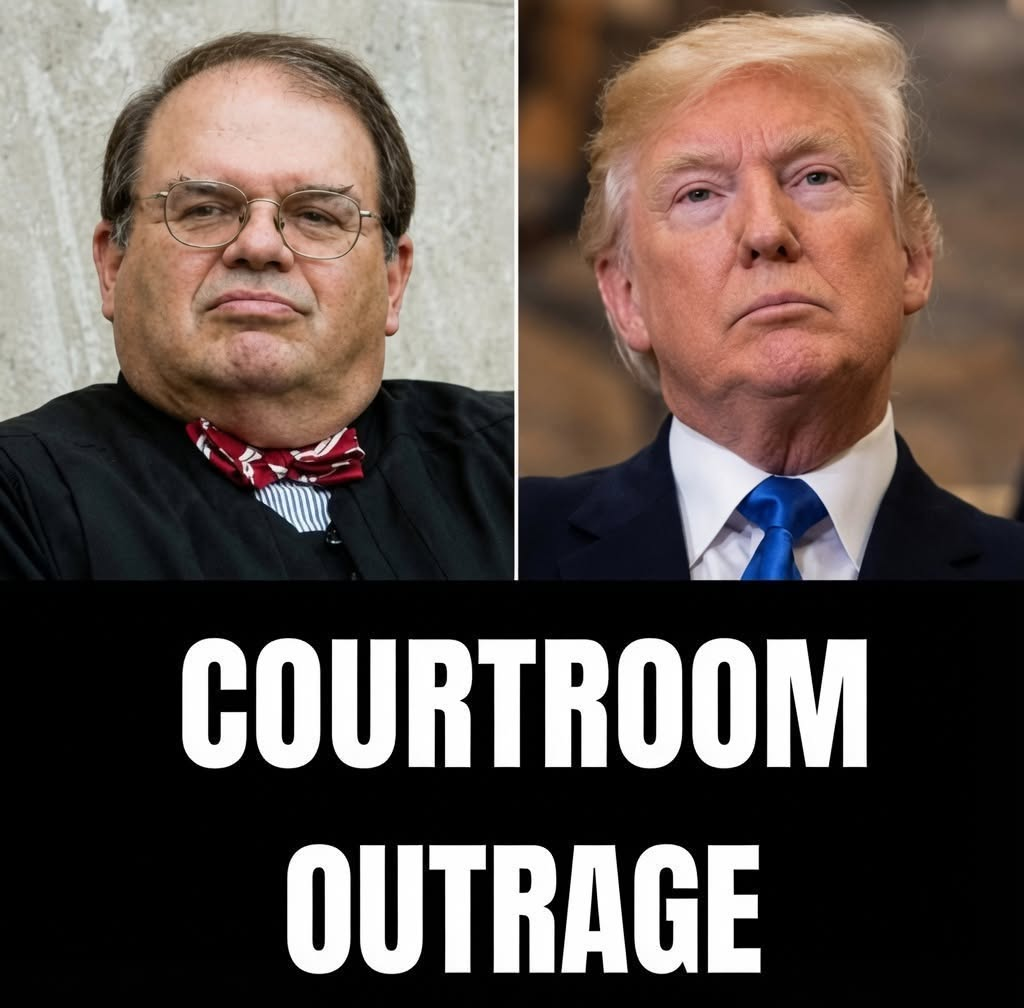
A recent decision from a federal appeals court has renewed national discussion about military policy, constitutional protections, and the role of the judiciary in reviewing executive actions. The ruling focused on portions of a policy affecting transgender individuals in military service, with judges examining whether certain restrictions were consistent with constitutional principles and longstanding legal standards.
The case attracted attention because it touches on several important issues at once: military readiness, equal protection under the law, executive authority, and the rights of individuals who wish to serve their country. While opinions on these subjects vary widely across the political spectrum, the court’s decision highlights how the legal system continues to serve as a forum for resolving complex policy disputes.
In a divided 2–1 ruling, the appeals court concluded that some provisions of the policy could not withstand constitutional scrutiny. The majority opinion found that certain restrictions appeared to unfairly target a specific group without sufficient justification. At the same time, the court allowed other portions of the policy to remain in effect while legal challenges continue, demonstrating the nuanced nature of the decision.
The ruling does not end the broader debate. Instead, it represents another chapter in a legal and political conversation that has unfolded across multiple administrations, numerous courtrooms, and various levels of government. As policymakers, military leaders, advocacy organizations, and legal scholars evaluate the decision, questions remain about what it may mean for future military regulations and constitutional challenges.
Understanding the Background of the Policy
Military service in the United States has long involved eligibility standards related to health, fitness, conduct, and operational readiness. Throughout history, these standards have evolved as social norms, medical knowledge, and military needs have changed. Policies that once seemed permanent have often been revised or replaced as circumstances shifted.
The transgender military policy at the center of this case emerged during a period of significant national discussion regarding military inclusion. Different administrations adopted differing approaches to the issue, reflecting broader political disagreements about how military personnel policies should be structured.
Supporters of restrictions argued that military leaders must maintain standards designed to promote readiness, deployability, and mission effectiveness. They maintained that the armed forces require unique rules that may differ from standards applied in civilian life because military operations involve extraordinary responsibilities and risks.
Critics of the restrictions, however, argued that qualified individuals should not be excluded from service based on characteristics unrelated to their ability to perform military duties. They contended that broad restrictions could prevent capable service members from contributing their skills and experience to the armed forces.
These competing viewpoints eventually led to multiple legal challenges, with courts asked to determine whether the policies complied with constitutional requirements and established legal principles.
The Appeals Court’s Decision
The recent appeals court ruling examined whether specific provisions of the policy were consistent with constitutional protections. The majority of judges concluded that some aspects of the restrictions failed to meet the necessary legal standards.
According to the court’s reasoning, government actions that affect particular groups may require careful examination to ensure that they are based on legitimate objectives rather than unsupported assumptions or unequal treatment. The judges emphasized that constitutional protections apply even in areas where the government possesses broad authority.
The majority opinion suggested that certain parts of the policy appeared to be motivated by factors that were not sufficiently connected to legitimate governmental interests. As a result, those provisions were deemed unconstitutional.
At the same time, the court did not invalidate every aspect of the policy. Certain restrictions, including limits related to new enlistments, were allowed to remain in place while additional legal proceedings continue. This distinction illustrates the court’s effort to evaluate individual components of the policy separately rather than treating the entire framework as a single issue.
The dissenting judge disagreed with the majority’s conclusions, arguing that courts should give substantial deference to military decision-makers when evaluating policies related to personnel and readiness. This disagreement reflects a longstanding legal debate about how much authority courts should exercise when reviewing military policies.
Why Military Policies Often Receive Special Consideration
One of the central questions in cases involving military regulations is whether courts should apply the same standards used in civilian contexts. Historically, courts have often recognized that the military operates under unique circumstances that require flexibility and specialized decision-making.
Military leaders are responsible for maintaining forces capable of responding to a wide range of challenges, including combat operations, humanitarian missions, disaster relief efforts, and national defense responsibilities. Because of these demands, military organizations frequently impose requirements that would not necessarily exist in civilian workplaces.
For example, service members may be subject to strict physical fitness standards, medical evaluations, deployment requirements, and conduct regulations. Courts have traditionally acknowledged that these standards serve operational purposes and are closely tied to military effectiveness.
However, judicial deference to military expertise is not unlimited. Courts may still intervene when they conclude that a policy violates constitutional protections or exceeds lawful authority. The challenge lies in determining where the line should be drawn between respecting military judgment and safeguarding individual rights.
This balance has been the subject of numerous legal disputes throughout American history, involving issues ranging from free speech and religious accommodations to personnel policies and equal protection claims.
Executive Authority and Constitutional Constraints
Another important aspect of the case involves the scope of executive authority. Presidents possess significant power to shape military policy because they serve as Commander in Chief under the Constitution. This authority allows administrations to implement personnel policies, establish strategic priorities, and direct military operations.
Nevertheless, executive power is not unlimited. Government actions must remain consistent with constitutional requirements and applicable laws. Courts play a key role in reviewing disputes when questions arise regarding the legality of executive decisions.
The appeals court ruling underscores this principle. While acknowledging the executive branch’s authority over military matters, the judges concluded that constitutional considerations still apply. The decision reflects the judiciary’s responsibility to evaluate whether government actions comply with legal standards, even in areas where executive authority is substantial.
Supporters of the ruling view it as an important affirmation of constitutional checks and balances. They argue that courts must ensure that government policies are supported by legitimate reasons and do not unfairly discriminate against particular groups.
Critics, however, contend that judicial intervention may interfere with the ability of elected leaders and military officials to establish policies they believe are necessary for national defense. From this perspective, courts should be cautious about second-guessing decisions made by those responsible for military readiness.
Broader Implications for Future Cases
Although the ruling addresses a specific policy, its implications may extend beyond the immediate dispute. Legal experts often examine appellate decisions for guidance on how courts might approach similar cases in the future.
One potential consequence is that future challenges involving military personnel policies could receive closer scrutiny. If courts determine that certain restrictions require stronger justification, government agencies may need to provide more detailed evidence supporting their decisions.
The ruling could also influence discussions about how constitutional protections apply in specialized government contexts. Questions concerning equal protection, administrative authority, and individual rights arise in many policy areas, making judicial reasoning in one case potentially relevant elsewhere.
At the same time, future outcomes remain uncertain. Additional appeals may occur, and higher courts could review the issues addressed in the decision. Legal disputes involving constitutional questions often continue through multiple stages before reaching a final resolution.
For that reason, observers from across the political spectrum are likely to monitor developments closely as the case progresses.
The Ongoing Public Debate
Public opinion regarding transgender military service remains diverse. Some Americans believe that military opportunities should be available to all qualified individuals regardless of gender identity. Others support restrictions that they believe are necessary to preserve readiness and operational effectiveness.
These differing perspectives often reflect broader beliefs about military service, civil rights, government authority, and public policy. As a result, discussions surrounding the issue frequently extend beyond the specific legal questions being considered in court.
Advocacy organizations on various sides of the debate have continued to present research, policy proposals, and legal arguments supporting their positions. Some groups emphasize inclusion and equal opportunity, while others focus on readiness standards and administrative considerations.
The appeals court ruling is therefore likely to become part of a larger conversation that includes lawmakers, military officials, legal scholars, veterans, and members of the public. While the court addressed constitutional issues, the policy debate itself remains active and multifaceted.
Historical Context and Policy Evolution
Military personnel policies have changed considerably over time. Throughout American history, regulations governing who may serve have often reflected evolving societal attitudes, legal interpretations, and operational requirements.
In many instances, policies that were once controversial eventually underwent revision after legislative action, executive decisions, judicial rulings, or shifts in public opinion. These changes demonstrate that military regulations are not static but instead adapt to changing circumstances.
The debate surrounding transgender military service fits within this broader historical pattern. Different administrations have adopted varying approaches, leading to policy reversals and renewed legal challenges. Each change has generated discussion about the appropriate balance between military discretion and constitutional protections.
The appeals court’s decision represents another step in this ongoing process. Whether it ultimately leads to lasting policy changes will depend on future legal proceedings, administrative decisions, and potential legislative actions.
Reactions From Legal and Policy Experts
Legal scholars have noted that the ruling highlights the continuing tension between judicial oversight and military autonomy. Some experts argue that courts have a responsibility to ensure that constitutional guarantees remain meaningful even within specialized government institutions.
Others emphasize that military leaders possess expertise that courts may lack, particularly regarding readiness, personnel management, and operational planning. These observers caution against excessive judicial involvement in matters traditionally handled by defense officials.
Policy analysts have also pointed out that the decision may encourage more detailed examination of the evidence used to justify military restrictions. Future policies could face greater scrutiny regarding whether they are supported by data, research, and clearly articulated objectives.
Regardless of individual viewpoints, many experts agree that the case raises significant constitutional questions that extend beyond a single policy dispute. The legal principles involved may influence future discussions about government authority and individual rights in a variety of contexts.
What Happens Next?
The legal process is unlikely to conclude immediately. Additional appeals remain possible, and further court proceedings may address unresolved questions. Depending on future developments, higher courts could provide additional guidance regarding the constitutional standards that apply to military personnel policies.
Government officials may also evaluate whether policy revisions are necessary in response to the ruling. In some cases, agencies choose to modify regulations after adverse court decisions in order to address legal concerns while preserving policy objectives.
Meanwhile, military personnel, legal advocates, and policymakers will continue monitoring developments. The outcome could affect not only current regulations but also the framework used to evaluate future personnel policies.
Because the case involves constitutional issues, any final resolution may have significance beyond the military itself. Judicial decisions in such matters often contribute to broader legal precedents that influence how courts interpret government authority and individual rights.
Conclusion
The federal appeals court’s ruling marks an important moment in the ongoing legal debate surrounding military policy and constitutional protections. By declaring certain provisions unconstitutional while allowing others to remain in effect temporarily, the court issued a nuanced decision that reflects the complexity of the issues involved.
At the heart of the dispute are fundamental questions about equal protection, executive authority, military readiness, and judicial oversight. Supporters and critics of the policy continue to offer sharply different perspectives, ensuring that public discussion will remain active as the legal process moves forward.
While the ruling represents a significant development, it does not provide the final word on the matter. Additional court proceedings, potential appeals, and future policy decisions will help determine the long-term impact of the case.
For now, the decision serves as a reminder that constitutional debates often involve competing principles that must be carefully balanced. As the conversation continues, courts, policymakers, and the public will remain engaged in examining how best to reconcile national defense priorities with the constitutional values that shape American law and governance.