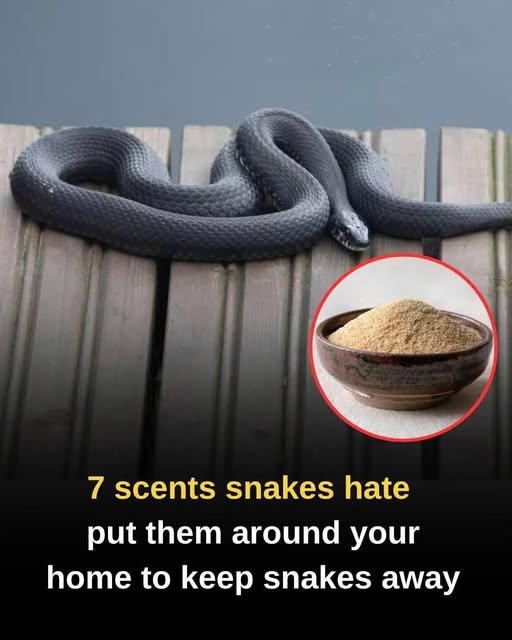
Snakes have long stirred both curiosity and fear, especially when they appear close to human homes. While they play an important ecological role by controlling rodents and insects, most people prefer they stay far from gardens, porches, and living areas. When a snake is spotted nearby, homeowners often look for natural, non-lethal ways to discourage it. One common approach involves strong scents, since snakes rely heavily on chemical sensing through a specialized organ rather than sight or hearing.
Ammonia is frequently mentioned because of its sharp, irritating odor, which can overwhelm a snake’s sensory system and cause it to retreat. When placed outdoors near entry points, crawl spaces, or sheds, ammonia fumes can make an area uncomfortable for snakes. However, it evaporates quickly and must be reapplied often. It also poses safety risks to pets, children, and humans, so it should be used cautiously and never indoors.
Essential oils such as cinnamon and clove are another popular option. These oils contain compounds that overstimulate snakes’ chemical receptors, creating a temporary barrier. Mixed with water and applied to foundations, doorways, and garden borders, they can discourage snakes from lingering. Rain and humidity reduce their effectiveness, meaning frequent reapplication is necessary.
Garlic and onions are also commonly used due to their sulfur-based compounds, which release strong odors when crushed. These scents can confuse snakes and make areas less attractive. Some homeowners also plant marigolds, which repel insects and indirectly reduce rodent populations, removing a major food source for snakes.
Other methods include vinegar, lemongrass, and citronella. Vinegar works best in damp areas, while citrus-based plants and oils interfere with snakes’ ability to track prey. These options are generally safe and environmentally friendly but require ongoing maintenance.
Ultimately, scent deterrents alone are not a permanent solution. Long-term prevention depends on removing shelter, sealing entry points, and reducing rodents. When combined with proper yard maintenance, natural scents can help lower the chances of unwanted snake encounters while respecting their role in nature.