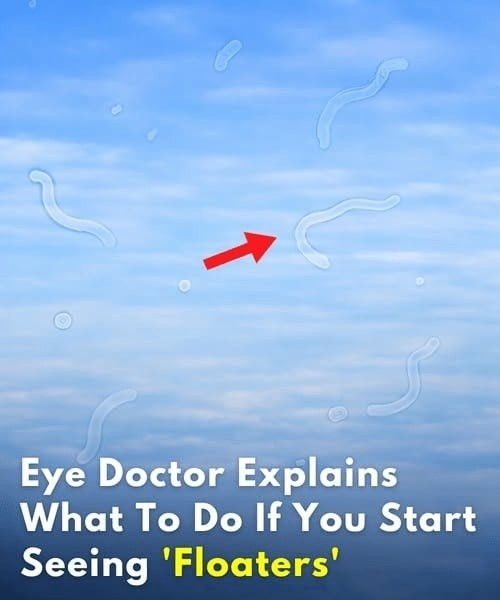
Many people notice small shapes drifting across their vision from time to time. These visual disturbances, commonly known as eye floaters, often appear as tiny spots, threads, or cobweb-like patterns. They may be especially noticeable when looking at bright surfaces such as a clear sky, a computer screen, or a white wall. While they can seem unusual, floaters are often a normal part of the aging process.
Inside the eye is a gel-like substance called the vitreous. As people grow older, this gel gradually changes and can become less uniform. Small fibers within the vitreous may clump together, creating tiny shadows on the retina. These shadows are what people perceive as floaters moving through their field of vision.
Some individuals also experience flashes of light. These flashes may appear as brief streaks or flickers, even when no external light source is present. In many cases, flashes occur when changes inside the eye cause mild stimulation of the retina. They are often temporary but should still be monitored carefully.
Floaters and flashes are more common among older adults, people who are nearsighted, and those who have undergone certain eye procedures. For many individuals, these symptoms remain stable and do not interfere significantly with daily activities. Over time, the brain often adapts, making floaters less noticeable.
However, it is important to pay attention to sudden changes. A rapid increase in floaters, frequent flashes, or any reduction in vision may indicate a more serious eye condition. Seeking prompt medical evaluation can help identify potential problems and protect long-term eye health.
Eye doctors typically examine these symptoms through a comprehensive eye evaluation. Special eye drops may be used to widen the pupils, allowing a clearer view of the retina and other structures inside the eye. This examination helps determine whether further care is necessary.
Maintaining regular eye checkups and staying aware of vision changes are important steps in protecting eye health. Early attention to unusual symptoms can support timely care and help preserve healthy vision for years to come.