Patrick Swayze was born on August 18, 1952, in Houston, Texas, into a household where structure and creativity existed side by side in a constant balance. His father, Jesse Wayne Swayze, worked as a draftsman, while his mother, Patsy Swayze, was a respected choreographer and dance instructor who shaped much of his early artistic foundation. Growing up in this environment meant exposure to discipline from an early age, but also to movement, rhythm, and performance.
Patsy Swayze ran a dance studio and later became involved with professional choreography, giving Patrick early access to formal ballet training and stage performance techniques. As a child, Swayze explored multiple interests rather than focusing on one path. He trained in dance, participated in sports, learned music, and showed early interest in acting. This wide exposure helped him develop coordination and performance awareness across different disciplines.
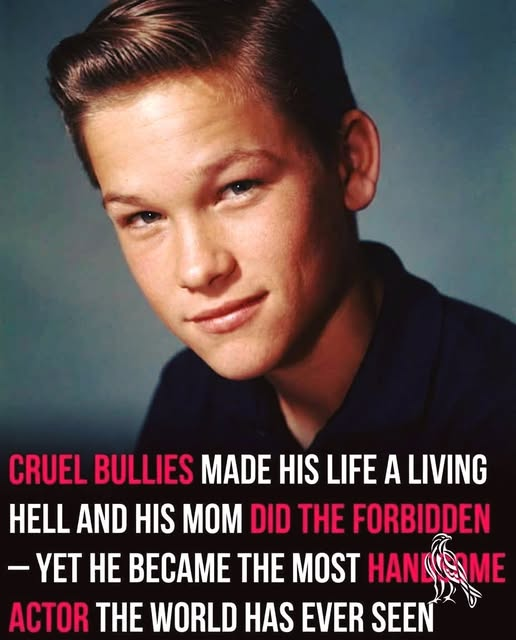
Despite his talents, his interest in dance often made him stand out in ways that were not always welcomed by his peers. During his school years, he experienced teasing and misunderstanding, particularly in environments where athletic masculinity was more socially accepted than artistic expression.
Rather than abandoning dance, he continued training under the guidance of his mother, who emphasized discipline over reaction. She encouraged him to stay consistent, to focus on improvement, and to treat criticism as something external rather than defining.
At one point, Swayze pursued football seriously and demonstrated strong athletic ability. However, a significant knee injury during his youth ended his hopes of continuing in competitive sports at a higher level, forcing him to reconsider his future direction.
That turning point became an important shift in his life. Instead of resisting change, he redirected his focus toward performing arts more fully. He returned to dance training and expanded his involvement in theater and acting, gradually building a new professional identity. In his early twenties, he moved to New York City to pursue formal training in dance and performance. There, he studied under demanding instructors and refined his technique, combining classical ballet discipline with contemporary stage performance skills.
His early career included small stage roles and minor appearances that did not immediately bring recognition. Like many performers, he spent years developing his craft before achieving mainstream visibility, learning persistence through gradual progress rather than rapid success.
During this period, he also worked in theater productions, where physical performance and emotional expression were equally important. These experiences helped him refine his ability to communicate character through movement as well as dialogue. His breakthrough came later with the film Dirty Dancing, released in 1987. His portrayal of Johnny Castle brought him international recognition and established him as a major figure in popular cinema, particularly in romantic drama and dance-centered storytelling.
The role required not only acting ability but also extensive physical discipline, dance training, and emotional control. His background in ballet and performance made him uniquely suited for the role, contributing to the authenticity of his on-screen presence. Following the success of Dirty Dancing, Swayze became widely recognized in Hollywood. The film’s popularity elevated him into global fame, creating both new opportunities and increased public attention on his personal and professional life.
As his career expanded, he took on a variety of roles across different genres, including action films, drama, and romance. He aimed to avoid being limited to a single type of character, seeking diversity in his work rather than repetition. His performances in films such as Road House and Ghost further strengthened his reputation. In Ghost, his role combined emotional depth with commercial success, making it one of the most widely recognized films of his career.
Alongside his professional achievements, Swayze’s personal life remained relatively stable compared to many in the entertainment industry. He was married to Lisa Niemi, whom he met during his teenage years while both were studying dance under his mother. Their relationship lasted throughout his rise to fame and is often described as a consistent source of support during the unpredictable nature of Hollywood life. They collaborated creatively as well, including on dance and film projects.
Despite his success, Swayze faced personal challenges and periods of difficulty, including injuries and the pressures associated with maintaining a physically demanding career. His work often required intensive physical commitment, which placed strain on his body over time. In 2008, he was diagnosed with pancreatic cancer, a serious illness that quickly became a major part of his later life. Despite the diagnosis, he continued to work for as long as his health allowed, maintaining involvement in acting projects.
His decision to keep working during treatment reflected his long-standing approach to discipline and commitment. Rather than withdrawing completely, he remained active in his profession, even under significant physical strain. Patrick Swayze passed away on September 14, 2009, at the age of 57. His death marked the end of a career that had spanned decades of performance in dance, theater, and film, leaving behind a significant cultural legacy.
What remains of his life is not only his filmography, but also the consistency with which he approached his craft. From early training to international recognition, his path reflected persistence, adaptation, and continued dedication to performance. His journey demonstrates how early discipline, even when paired with setbacks and challenges, can shape a long-term career. Rather than being defined by a single role or moment, his legacy is built on sustained effort and artistic development over time.