Adequate sleep is essential for both physical health and mental performance, supporting memory, concentration, immune function, and emotional stability. However, sleep quality is influenced not only by duration but also by sleeping posture and body position. Many people assume that simply getting enough hours of sleep is sufficient for recovery. In reality, sleep position can influence breathing patterns, digestion, and even certain aspects of cardiovascular comfort throughout the night.
One commonly discussed topic in sleep and wellness research is the difference between sleeping on the left side versus the right side. Some studies and medical observations suggest that body orientation may have subtle effects on digestion and internal organ function. It is important to note that these effects are generally mild and can vary from person to person. Sleep specialists emphasize that there is no single “perfect” sleeping position for everyone, and individual comfort and medical conditions matter greatly.
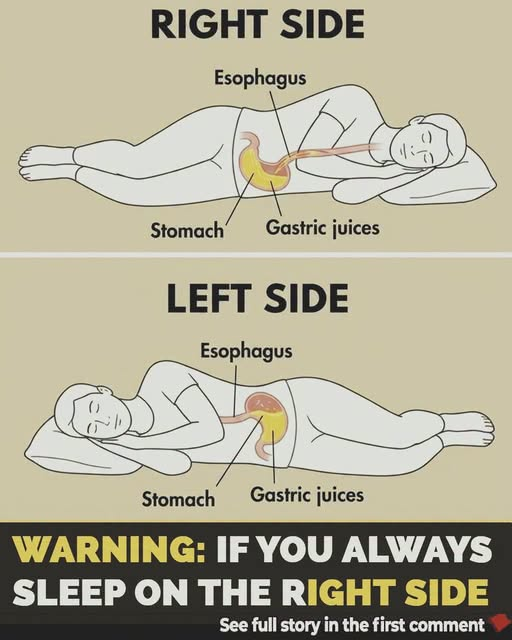
However, side sleeping is widely considered beneficial in general, especially compared to sleeping on the stomach or consistently lying flat on the back for people with certain health concerns. Among side positions, left-side sleeping is often highlighted in wellness discussions. One frequently mentioned benefit of sleeping on the left side is related to digestion. The stomach and its natural orientation within the abdomen may make it easier for digestive processes to function efficiently depending on posture during rest.

Some anatomical explanations suggest that lying on the left side may help reduce the likelihood of acid reflux in certain individuals, as the position of the stomach relative to the esophagus can influence how stomach acid moves during sleep. However, this does not mean that right-side sleeping is harmful. Many people sleep comfortably on their right side without any digestive issues. Medical experts generally advise choosing the position that reduces discomfort and supports restful sleep.
Another commonly discussed topic is the relationship between sleep position and cardiovascular function. The heart is slightly positioned toward the left side of the chest, which has led to theories about how body orientation might influence circulation.
Some observations suggest that left-side sleeping may reduce pressure on certain blood vessels and support more comfortable circulation in specific individuals. However, scientific evidence on major cardiovascular differences between sleep sides remains limited. Health professionals caution against overstating these claims. While positioning may influence comfort, the heart is designed to function effectively regardless of whether a person sleeps on their left or right side.
The spleen, located on the left side of the body, is another organ often mentioned in discussions about sleep posture. It plays a role in filtering blood and supporting immune system function through the removal of old red blood cells. Some wellness interpretations suggest that left-side sleeping may place the spleen in a more naturally supported position due to gravity and anatomical alignment. However, this remains a theoretical observation rather than a clinically significant conclusion.
Overall bodily comfort during sleep is influenced by multiple systems working together, including digestion, respiration, and musculoskeletal alignment. Sleep posture can affect how relaxed or strained these systems feel during rest.
Another important factor in sleep quality is spinal alignment. Medical professionals often emphasize that maintaining a neutral spine position is more important than strictly choosing left or right side sleeping. Using proper pillows and mattress support can have a greater impact on sleep quality than directional positioning alone. Poor alignment can lead to neck pain, back discomfort, and disrupted sleep regardless of side preference.
For individuals experiencing acid reflux or gastroesophageal discomfort, some research suggests that left-side sleeping may reduce nighttime symptoms. This is often linked to how gravity affects stomach contents in relation to the esophagus. At the same time, people with certain shoulder or hip pain may find one side more comfortable than the other. In such cases, comfort and pain reduction should take priority over general guidelines about ideal sleep positions.
It is also important to recognize that sleep quality is influenced by many lifestyle factors beyond body position. Stress levels, diet, screen exposure, and sleep environment all play major roles in overall restfulness. Sleep experts generally recommend focusing on consistent sleep schedules, reduced caffeine intake before bedtime, and a calm sleeping environment as primary methods for improving sleep quality.
While discussions about left-side sleeping benefits are common in wellness articles, they should be understood as general observations rather than strict medical rules. Individual differences make personalized comfort the most important factor. Scientific research continues to explore how sleep posture may affect physiological processes, but most conclusions remain nuanced rather than absolute. The human body is adaptable and capable of functioning in multiple positions during rest.
In practical terms, the best sleeping position is usually the one that allows uninterrupted, deep, and restorative sleep without causing pain or breathing difficulty. Comfort remains the most reliable indicator of healthy sleep posture. Ultimately, whether a person sleeps on the left side, right side, or alternates throughout the night, maintaining good sleep hygiene is far more important than focusing exclusively on position.
Quality sleep supports cognitive performance, emotional balance, immune strength, and long-term health outcomes. Small adjustments in daily habits often have a greater impact than any single sleep position choice.
Understanding how the body responds to different sleep positions can still be useful, especially for individuals with specific digestive or medical concerns, but it should be applied with balanced expectations. In conclusion, side sleeping—particularly on the left side—is often discussed in relation to digestion and comfort, but it is not a universal rule. The healthiest sleep posture is the one that best supports relaxation, comfort, and consistent rest.