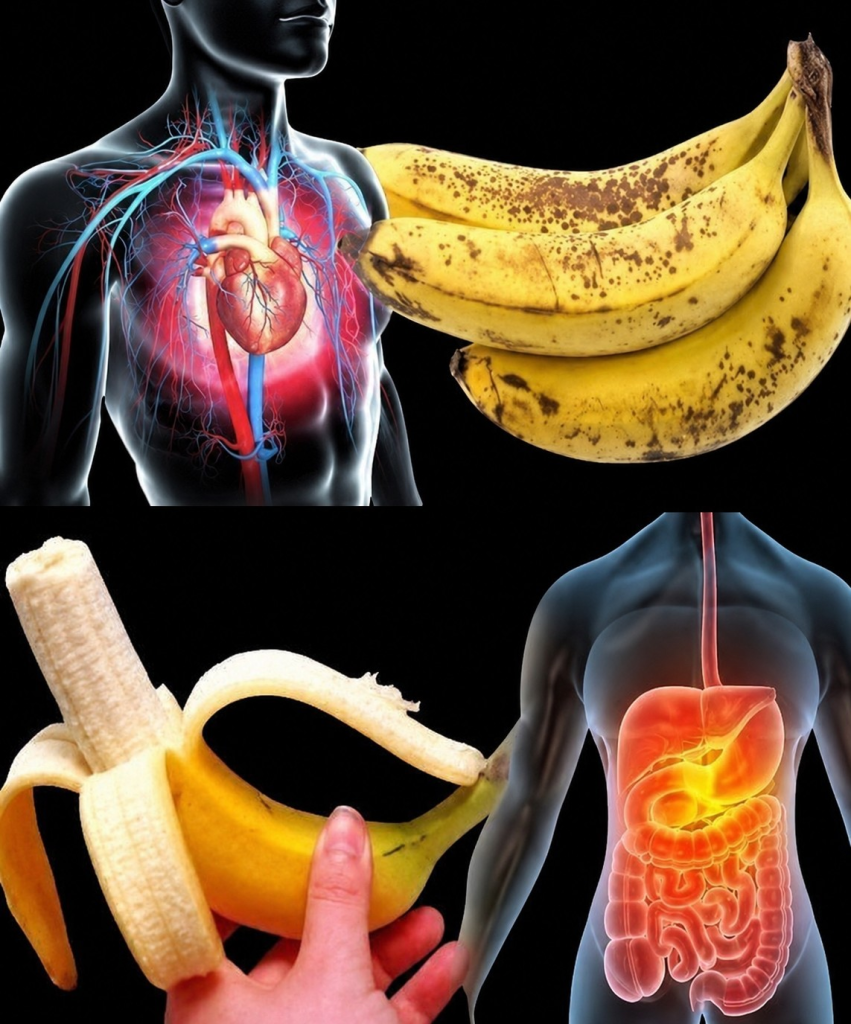
Bananas are one of the most popular fruits in the world, valued for their convenience, taste, and nutritional benefits. They are easy to carry, require no preparation, and can be enjoyed almost anywhere. This makes them a reliable option for people with busy lifestyles. A medium-sized banana typically contains around 100 to 110 calories.
It also provides important nutrients such as fiber, vitamin B6, vitamin C, magnesium, and potassium. These nutrients play a role in supporting overall health and maintaining daily energy levels. One of the key benefits of bananas is their contribution to heart health. Potassium helps balance sodium levels in the body, which supports healthy blood pressure. It also plays a role in proper muscle and nerve function.
Bananas are also helpful for digestion. They contain dietary fiber, which supports regular bowel movements. Slightly green bananas include resistant starch, which can help feed beneficial gut bacteria. For those who lead active lifestyles, bananas are a popular snack choice. Their natural sugars provide quick energy, while fiber helps prevent sudden drops in blood sugar.
This makes them suitable both before and after physical activity. There is a common belief that bananas lead to weight gain, but this is not accurate when they are eaten in moderation. Their fiber content can actually help people feel full, which may reduce the likelihood of overeating throughout the day.
Some myths about bananas continue to circulate. For example, they are sometimes described as “too sugary,” but whole fruits contain natural sugars balanced with fiber. This combination helps the body process energy more steadily. Another misconception is that bananas are unusually high in radiation.
While they do contain trace amounts of naturally occurring substances, the levels are extremely low and not harmful in normal consumption. It is also worth noting that bananas are not the only source of potassium.
However, they remain one of the most convenient and widely available options, making them a practical choice for many people. For most individuals, eating one or two bananas a day can be part of a balanced diet. Healthy eating does not need to be complicated—sometimes, it can be as simple as choosing a nutritious fruit like a banana.