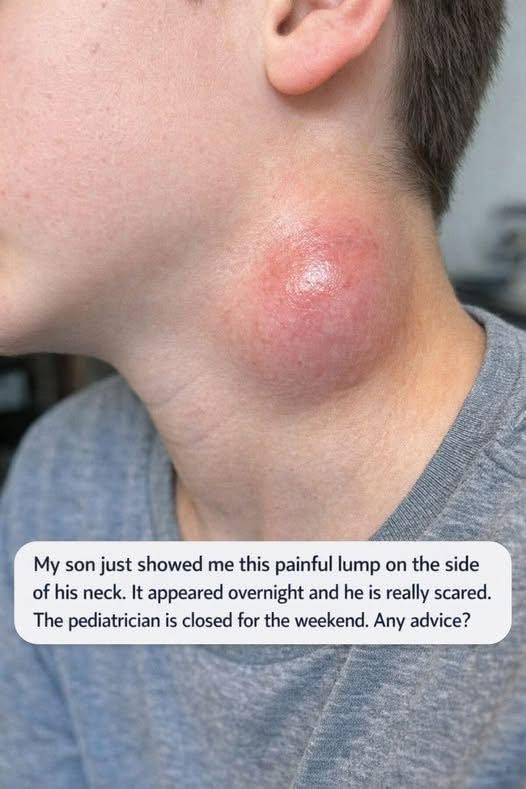
A sudden lump in a child’s neck can be alarming for any parent or caregiver, especially when it appears without warning. It is natural for concern to rise quickly, but in many cases, these lumps are related to common and treatable conditions. The majority of neck swellings in children are caused by lymph nodes reacting to infections such as colds, sore throats, or minor viral illnesses. Understanding this can help reduce immediate panic and allow for a more calm and observant approach while monitoring the child’s condition over time.
When a neck lump is first noticed, it is important to take a calm and measured approach. Children often respond to parental emotions, so staying composed helps them feel safe. Gently examining the area without applying pressure can provide useful information. Many benign lymph node swellings feel soft, slightly movable, and may be mildly tender to touch. These types of lumps often appear during or after a common infection and may persist for a short time even after the illness has resolved. Monitoring changes rather than reacting immediately is often the recommended first step.
It is also helpful to observe the child’s overall health. If the child is otherwise active, eating well, drinking fluids, and behaving normally, the lump is more likely to be related to a mild infection. In such cases, doctors often recommend watchful waiting. This means keeping track of the lump over several days or weeks to see if it reduces in size. Many reactive lymph nodes gradually shrink on their own as the immune system finishes responding to the infection. During this time, unnecessary manipulation or frequent touching of the lump should be avoided.
However, there are certain warning signs that require immediate medical attention. Difficulty breathing or swallowing is considered urgent and should be evaluated without delay. Excessive drooling, especially if the child is unable to swallow comfortably, can also be a serious symptom. A lump that grows rapidly, becomes extremely painful, or feels very hard and fixed in place rather than movable should be assessed by a healthcare professional as soon as possible. High or persistent fever combined with a neck swelling is another reason to seek urgent care or emergency evaluation.
In some situations, neck lumps can be associated with bacterial infections that may require antibiotic treatment. These infections can sometimes involve lymph nodes becoming more inflamed, tender, and enlarged. In such cases, medical evaluation is important to determine whether treatment is needed. Imaging tests or blood work may occasionally be used by healthcare providers to better understand the cause of the swelling. Early assessment can help ensure that any infection is treated appropriately and does not progress further.
While waiting for a medical appointment, supportive care at home can help keep the child comfortable. Warm compresses applied gently to the area may provide relief if there is mild discomfort. Ensuring the child stays well hydrated supports the immune system and overall recovery. Age-appropriate pain relief medications may be recommended by a healthcare provider if needed, but dosing should always follow professional guidance. Rest is also important, as the body uses energy to fight infections and recover.
It is important to avoid attempting any home interventions that could cause harm. The lump should not be squeezed, pressed repeatedly, or “popped,” as this can worsen irritation or cause complications. Unverified home remedies or treatments should also be avoided, especially those not recommended by healthcare professionals. Instead, focusing on observation and supportive care is the safest approach until a proper evaluation is completed.
Parents and caregivers should also feel encouraged to seek medical advice when uncertain. Many healthcare systems offer nurse advice lines, telehealth consultations, or urgent care services that can help assess whether in-person evaluation is needed. Asking for medical guidance is not an overreaction; it is a responsible step in protecting a child’s health. Even when symptoms turn out to be minor, professional reassurance can provide peace of mind and clear next steps.
In conclusion, a sudden neck lump in a child can be concerning, but most causes are not dangerous and are often related to common infections. Careful observation, awareness of warning signs, and timely medical consultation when needed are key to managing the situation safely. Understanding when to monitor and when to seek urgent care helps ensure that children receive appropriate attention without unnecessary panic. With a calm and informed approach, parents can effectively support their child’s health while ensuring that any serious conditions are promptly addressed.